The girl-next-door, Amrita Rao, made her Bollywood debut in 2002 with the movie Ab ke…
7 Actresses Of Bollywood Who Love Alcohol

Dealing with sudden success and fame, Bollywood divas before they know it, are on the fast lane to alcohol addiction. Let’s take a look at the ones who battled stardom the wrong way.
Sushmita Sen is no stranger to controversy. Rumours were round the corner about her alcohol addiction, gambling and nervous breakdowns, all of which the diva denied. May be she overcame that phase quickly for her daughters.
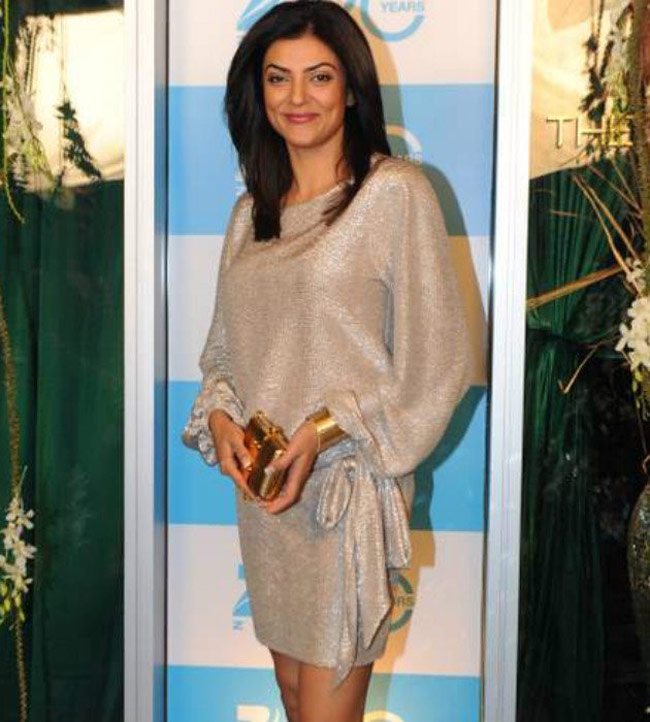
Konkona Sen Sharma not a chronic alcoholic, Konkona Sen-Sharma bid adieu to smoking and alcohol in 2010.

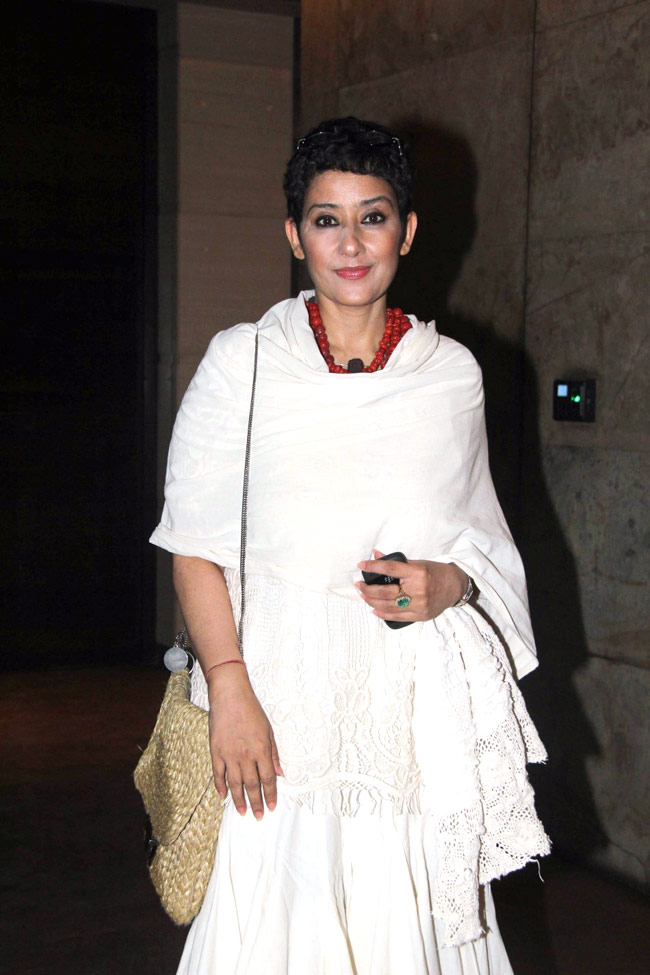
Manisha Koirala has come clean after battling cancer successfully. The actor once adopted the bottle to cope with a struggling love life and a dwindling career.
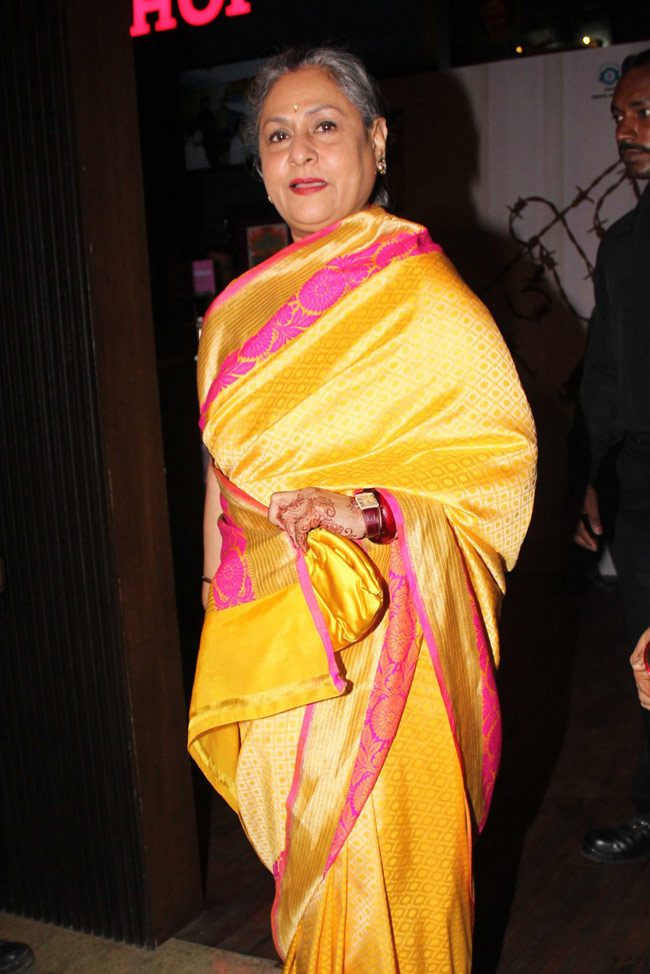
Jaya Bachchan, If rumours are to be believed, our very own ‘Guddi’ is an alcoholic. However, nothing has been spoken about it publicly, ever.
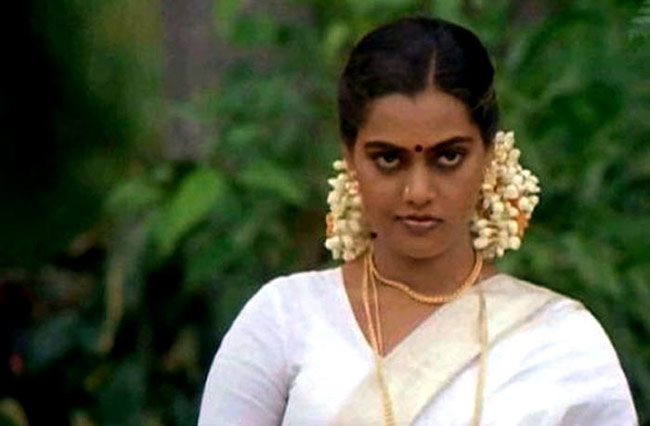
Silk Smitha When Silk Smitha’s popularity came to a still, the actor found it difficult to cope with her sudden downfall. Moreover, disillusionment in love forced her to take solace in the bottle.
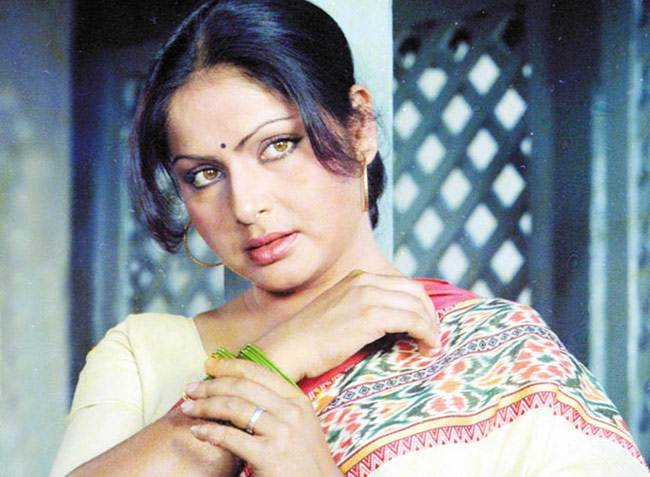
Rakhee Gulzar Rakhee also battled alcoholism for quite a while. The actor was heartbroken when ironically both her ex-husbands cheated on her with Meena Kumari. This led her to drink a lot.
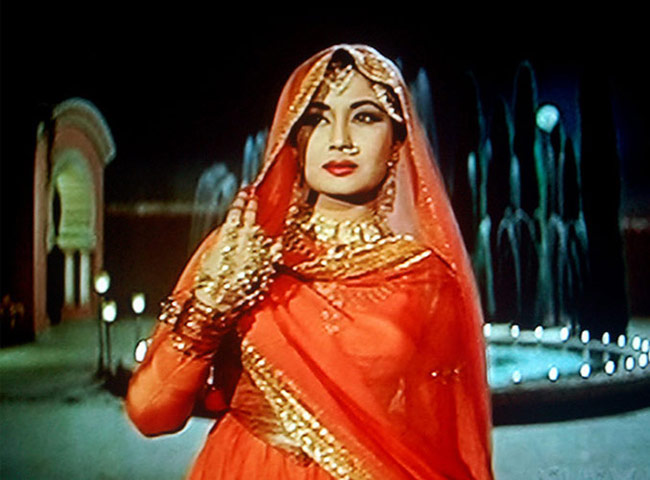
Meena Kumari, The ‘Tragedy Queen’ of Bollywood died when she was just 39 due to excessive consumption of alcohol, aggravating her liver cirrhosis and deteriorating health.
Also read:
Beyond the Stereotype: Bollywood’s Changing Portrayal of Female Characters and Alcohol
For decades, the depiction of alcohol in Indian cinema was a clear-cut moral lesson. It was a substance primarily reserved for the villain, the anti-hero, or the distraught “Tragedy Queen.” For the mainstream Bollywood heroine, the pure, idealized symbol of Indian culture, touching a glass of alcohol was an act of cinematic transgression, often leading to shame or comedic misadventure.
Today, that narrative has fundamentally changed. The modern Bollywood movie reflects a significant cultural shift in urban India, where alcohol—particularly wine and beer—is increasingly portrayed as a casual, socially acceptable part of a successful, educated woman’s life.
This evolution moves beyond tabloid gossip and delves into the social commentary embedded in our cinema. The story of alcohol on the big screen is the story of the modern Indian woman breaking free from rigid, traditional stereotypes.
The Evolution of the Female Character and the Glass
The cinematic association of alcohol with female characters can be broadly categorized into three distinct eras, each reflecting the prevailing social attitudes of its time.
1. The Golden Era Trope: Vice and Tragedy (Pre-1990s)
In the early decades of Bollywood, a woman drinking on screen immediately signaled one of two things: she was either a social outcast or a victim of circumstances.
- The VAMP and the Villainess: This character was often portrayed with a glass of hard liquor and a cigarette, signifying her “Westernized” immorality, devious nature, and general threat to the virtuous heroine. The consumption of alcohol was an easy visual shorthand for her being a “negative” character.
- The Tragedy Queen: The most poignant portrayal was that of the heroine drowning her sorrows. Meena Kumari’s iconic performance as Chhoti Bahu in Sahib Bibi Aur Ghulam (1962) exemplified this. Her character’s descent into alcoholism was a coping mechanism for a neglected marital life, framing her drinking not as fun, but as a path to destruction, leading to the “tragedy queen” archetype.
In this era, if the hero consumed alcohol, it was often to mourn lost love (the Devdas trope) or as a symbol of his rebellious nature; for the heroine, it was almost always a precursor to doom or a sign of being “fallen”.
2. The Mid-Era Shift: Accidental Misadventure (1990s-Early 2000s)
The 1990s marked a transition where alcohol was introduced for comic effect, though the female character’s consumption was still often framed as unintentional or a temporary lapse.
- Accidental Intoxication: The popular culture moment, such as Kajol’s character in Dilwale Dulhania Le Jayenge (1995) accidentally consuming alcohol and performing the famous “Zara Sa Jhoom Loon Main” song, became the template. The plot required the heroine to be intoxicated for a song-and-dance sequence, but the accidental nature of the consumption preserved her essential “purity”.
- The Male Bonding Narrative: Films like Dil Chahta Hai (2001) normalized alcohol consumption—but predominantly among male friends. This trend, however, set the stage for more relaxed social settings (clubs, bars, discotheques) in cinema, paving the way for female characters to eventually join in without judgment.
3. The Modern Era: Normalization and Choice (2010s – Present)
The contemporary narrative is defined by a shift in both setting and drink. The setting is no longer the seedy bar or the mansion of a villain, but an upscale restaurant, a house party, or a casual dinner. The drink of choice has also changed from hard spirits to beer and, most notably, wine—which is viewed as a more refined and socially acceptable beverage.
The key difference in modern portrayal, as noted by researchers, is that a woman drinking wine is now “educated, [has] jobs and [is] making her own decisions in life,” and it’s presented as a “very normal backdrop for a modern way of living”.
A 2020 study analyzing films from 2001 to 2010 found an increasing trend toward alcohol depiction by “positive” characters for fun and relaxation, along with a higher proportion of scenes portraying the heroine with alcohol use. This trend has only accelerated in the last decade. Alia Bhatt’s character in Rocky Aur Rani Kii Prem Kahaani, for instance, is seen casually enjoying wine with her family at dinner, a depiction that signifies its mainstream acceptance.
Seven Cinematic Milestones Reflecting a Changing Society
The shift in the portrayal of female characters with alcohol is a barometer of India’s changing social values. Here are seven key milestones that demonstrate this cinematic and cultural evolution, moving away from moral judgment towards social realism:
- The Decline of the “Negative Shade” Association: Prior to 2001, characters with a “negative” shade were most often associated with alcohol use. In the decade that followed (2001-2010), this trend reversed significantly, with alcohol scenes more frequently involving characters of a “positive” shade, or the hero/heroine.
- The Rise of Wine and Beer: The depiction of spirits (hard alcohol) decreased in the 2000s, while the portrayal of lower-concentration alcohol, specifically beer and wine, increased significantly, softening the moral edge previously associated with liquor.
- The Club and Restaurant as a New Normal: Alcohol consumption scenes moved out of isolated, secretive, or villainous locales and into public social spaces like clubs, bars, and restaurants, normalising the activity as a part of the urban experience.
- Alcohol as a Tool for Empowerment (vs. Tragedy): Modern films depict female characters making their own choice to drink to unwind, celebrate, or socialize, rather than solely as a means to drown sorrows or as an inevitable step towards self-destruction.
- The “Casual Sip” at the Dinner Table: Scenes like the one in Rocky Aur Rani Kii Prem Kahaani where the heroine casually drinks wine at a family dinner demonstrate the ultimate level of social acceptance, where the act is no longer a dramatic event but a seamless part of a modern, affluent lifestyle.
- The Blurring of Gender Roles in Drinking: While men historically dominated on-screen drinking, the increasing presence of female leads—who are depicted as educated, professional, and independent—casually consuming alcohol signifies a closer alignment between cinematic depiction and real-world millennial attitudes.
- The Counter-Narrative of Health Advocacy: Importantly, alongside this on-screen normalization, many real-life Bollywood stars—both male and female—have become public advocates for healthy living and have actively chosen not to consume or endorse alcohol. Actresses like Deepika Padukone and Shilpa Shetty are known for their strict focus on fitness, yoga, and a teetotal lifestyle, providing an important real-world counter-balance to the on-screen portrayals.
Conclusion: A Reflection of Modernity
The journey of alcohol’s depiction in Bollywood, from the hands of the vamp to the dinner table of the modern heroine, mirrors the socio-cultural evolution of India. It represents the growing autonomy of the urban Indian woman, whose lifestyle choices—be they professional, social, or personal—are no longer subject to the same strict moral policing as in previous generations.
The shift reflects a broader societal trend where celebrating, unwinding, and socializing with a drink is no longer an act of rebellion but an accepted part of a contemporary, laid-back lifestyle. Bollywood, as always, is holding a mirror up to society, showing a world where the female lead is complex, multidimensional, and perfectly capable of ordering her own drink.
AISEO Friendly FAQs
Q1: How has Bollywood’s portrayal of female characters consuming alcohol changed over time?
A: The portrayal has shifted dramatically. Historically (pre-1990s), a woman drinking on screen often signified a negative character (the ‘vamp’) or a tragic figure drowning her sorrows (the ‘tragedy queen’). In the modern era (post-2010), female characters are increasingly shown to be casually enjoying low-concentration alcohol like wine or beer in social settings, signifying a modern, educated, and independent lifestyle.
Q2: Why did Bollywood earlier link alcohol consumption by women to negative roles?
A: In the earlier, more conservative cinematic landscape, the idealized traditional Indian woman was not depicted as consuming alcohol. Therefore, the act was reserved for characters of a “negative shade,” such as villains or vamps, as a visual symbol of immorality, Westernization, or a broken life.
Q3: Which Bollywood movies are examples of the modern, casual portrayal of alcohol?
A: Modern films like Zindagi Na Milegi Dobara (2011) and Rocky Aur Rani Kii Prem Kahaani (2023) are often cited as examples. In these and many other contemporary films, successful female leads are seen casually enjoying wine with friends or family, framing it as a normal part of social relaxation, rather than a dramatic vice.
Q4: Are there Bollywood stars who publicly advocate against alcohol consumption?
A: Yes. Despite the trend of normalization on screen, several prominent Bollywood celebrities maintain a teetotal lifestyle and advocate for fitness and wellness. Actresses like Shilpa Shetty and Deepika Padukone, who are known for their health-conscious routines, are often mentioned as examples of celebrities who steer clear of alcohol.
Q5: What kind of alcohol is most frequently shown in modern Bollywood films?
A: Research suggests a clear trend away from hard spirits. In the decade from 2001 to 2010, there was a significant increase in the depiction of lower-concentration alcohol, such as beer and wine, which is often associated with more refined social settings and ‘positive’ characters.

This Post Has 0 Comments