Ayushmann Khurrana is a staggering actor in Bollywood. He has given a few hit movies,…
Ayushmann Khurrana Reveals Why He Collaborates With New Storytellers
The Bala actor, also sometimes called the ‘the poster boy of content cinema’, has mostly provided a sense of freshness to viewers with the choice of his scripts.
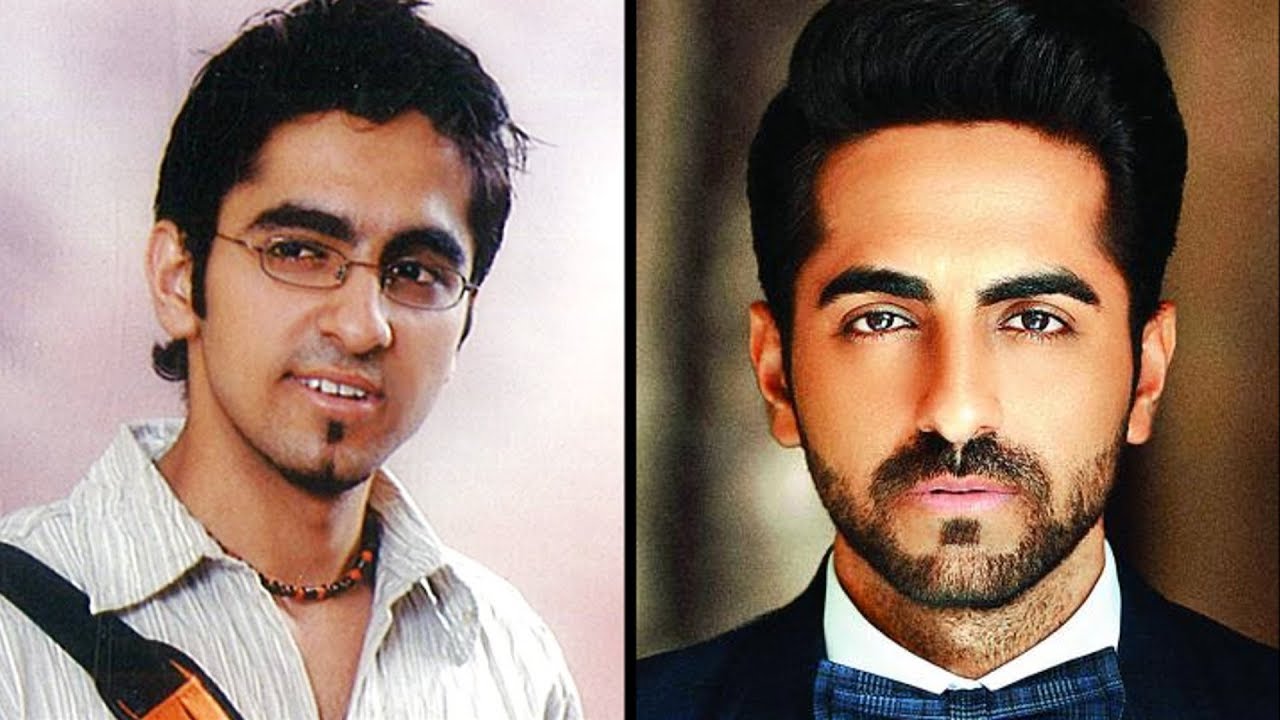
Speaking about what makes him gravitate towards newer story-tellers and directors, he said, “I have always looked to collaborate with new storytellers because they are looking to bring a fresh voice and a different vision to our cinema.” He added, “First time or young film-makers are looking to make their mark in the industry and they are always coming up with high-risk content decisions which appeals to me a lot because I have always gravitated towards being super risky with my film and character choices.”
During his career in the film industry, Ayushmann has worked with debutant directors like Sharat Kataria, Hitesh Kewalya, Raaj Shaandilyaa, R.S. Prasanna, Akshay Roy, Vibhu Puri and also collaborated with younger directors like Nupur Asthana, Ashwini Iyer Tiwari, Amit Sharma and Amar Kaushik. Lauding these newer set of filmmakers for expressing their opinions boldly he said, “I have always strongly felt that we need to be bold in our approach because audiences, who are exposed to brilliant content from across the world, only want to watch new stuff. I laud these film-makers for expressing their views and opinions boldly and freely through their cinema.” The actor further said, “They have the sheer talent and they want to explode in the world of entertainment and as an artiste, who is constantly looking for clutter-breaking and disruptive content, such people are always on my radar.”
Talking about his constant pursuit for looking to discover new and brilliant filmmakers, he added, “I want to creatively collaborate with as many of them as possible because they are massive risk-takers, they are visionaries who want to change the way people are consuming content. I have always believed that without risks, nothing new or exciting can come out. Our industry needs more disruption and these film-makers are bringing this out brilliantly. Their talent is exceptional and I’m always awed by them.”
“It’s a privilege to have collaborated with the brilliant minds and I think I have been fortunate that they were excited to collaborate with me too. Without them I would have never had Dum Laga Ke Haisha, Bareilly Ki Barfi, Shubh Mangal Saavdhan, Dream Girl, Badhaai Ho, Bala, Shubh Mangal Zyada Saavdhan, Meri Pyari Bindu.”
“I’m again collaborating with a first-time director, Anubhuti Kashyap, for Doctor G and I can’t wait to start working with her. She is a restless story-teller who has an extraordinary vision with this film and I think we will be able to present something unique, engaging, and immensely entertaining for audiences,” the actor concluded.
Ayushmann was last seen in Shoojit Sircar’s Gulabo Sitabo, alongside Amitabh Bachchan. He will soon be seen in Anek, set to hit the big screens on September 17. It is being directed by Anubhav Sinha and marks the filmmaker’s second collaboration with Ayushmann after the critically-acclaimed 2019 film Article 15. Apart from Anek, he will also be seen in Doctor G and Chandigarh Kare Aashiqui.
The Ayushmann Khurrana Blueprint: Why Collaborating with New Storytellers is His Biggest Box Office Hit
Ayushmann Khurrana’s filmography is not just a list of movies; it’s a socio-cultural commentary masquerading as mainstream entertainment. For over a decade, the actor has carved a unique niche in Bollywood as the ‘Poster Boy of Content Cinema,’ consistently delivering films that blend quirky comedy with challenging social themes. But at the core of this unprecedented success is a conscious, strategic decision: his relentless commitment to working with new and first-time storytellers.
Ayushmann has often publicly stated that his penchant for disruptive scripts goes hand-in-hand with his desire to collaborate with fresh directorial talent. His reasoning is a fascinating look into a star who prioritizes the vision over the veteran, and the risk over the formula.
The Core Philosophy: Why New Storytellers are the Biggest Risk-Takers
Ayushmann Khurrana views young and first-time directors as the vanguard of a necessary cinematic revolution. His philosophy is rooted in the belief that these filmmakers, eager to make a mark, are uniquely positioned to take the kind of creative leaps that established directors might avoid.
Speaking about his collaborators, the actor highlighted the key reasons for this synergistic approach:
1. The Pursuit of “High-Risk Content Decisions”
Khurrana, who has often gravitated towards being “super risky” with his film and character choices, notes that first-time and young filmmakers share this appetite for danger. These directors are typically less burdened by industry conventions and expectations, enabling them to bring high-concept, unconventional subjects to the big screen.
2. A Fresh Voice and Different Vision for Cinema
In an industry often reliant on established formulas, new storytellers naturally seek to distinguish themselves. According to Ayushmann, he looks to collaborate with new storytellers because they are trying to bring a “fresh voice and a different vision to our cinema.” This freshness translates into innovative narrative techniques and modern sensibilities.
3. The Need for ‘Clutter-Breaking’ Disruption
Ayushmann believes that the contemporary audience, exposed to brilliant content from all over the world, constantly demands “new stuff.” He seeks out the “massive risk-takers” and “visionaries” who want to change the way content is consumed, viewing their talent as “exceptional” and necessary for industry disruption.
A Debutant Director Hall of Fame: Case Studies in Disruptive Content
Ayushmann Khurrana’s career is a testament to the fact that content, even with a sensitive or taboo subject, can achieve mass appeal when helmed by a director with a unique perspective. His track record with debut directors is arguably the strongest of any contemporary Bollywood star.
| Film Title | Director | Subject Matter & “Taboo” Broken | Critical & Commercial Success |
|---|---|---|---|
| Vicky Donor (2012) | Shoojit Sircar (Debut as Hindi film director, with Ayushmann as debut actor) | Male infertility and sperm donation. | Commercial success, National Film Award winner. |
| Dum Laga Ke Haisha (2015) | Sharat Kataria (Director Debut) | Societal pressure on women’s body weight in arranged marriages. | Critically acclaimed, National Film Award winner, Commercial success. |
| Shubh Mangal Saavdhan (2017) | R.S. Prasanna (Hindi Director Debut) | Erectile dysfunction and rejecting toxic masculinity. | Critical and commercial hit, received multiple Filmfare nominations. |
| Badhaai Ho (2018) | Amit Sharma (Second Feature Film, but first major successful film) | Middle-aged pregnancy, challenging the stereotype of parents as “sexless” figures. | Massive commercial blockbuster, National Film Award winner. |
| Dream Girl (2019) | Raaj Shaandilyaa (Director Debut) | Unemployment and gender-bending through a call-centre worker who impersonates a woman. | Major commercial success. |
| Shubh Mangal Zyada Saavdhan (2020) | Hitesh Kewalya (Director Debut) | Leading a mainstream Bollywood film with an openly gay relationship. | Moderate commercial success, especially considering the pre-pandemic release. |
| Doctor G (2022) | Anubhuti Kashyap (Director Debut) | A male gynaecologist struggling with the gender bias of his medical profession. | Positive reviews from critics. |
| An Action Hero (2022) | Anirudh Iyer (Director Debut) | A meta-commentary and satirical take on the life of an action superstar. | Positive reviews from critics. |
The Ayushmann Effect: Normalizing the Unusual
What the combination of Ayushmann and new directors achieves is the normalization of otherwise sensitive or niche subjects.
- Dignity in Dysfunction: In Shubh Mangal Saavdhan, R.S. Prasanna’s direction ensures the subject of erectile dysfunction is handled with humor and sensitivity, steering clear of vulgarity to make the “risky idea… digestible.”
- The Adult Conversation: Amit Sharma’s Badhaai Ho gave Indian cinema one of its most revolutionary family dramas, making the sex life of a middle-aged couple a topic of light-hearted yet deep conversation, rather than embarrassment.
- Reframing Beauty Standards: Sharat Kataria’s Dum Laga Ke Haisha tackled body shaming and unrealistic beauty norms in an arranged marriage setting, turning a seemingly small personal issue into a relatable societal observation.
In each instance, the director’s unique gaze—often rooted in a background outside mainstream cinema, such as advertising or regional film—allows the heavy themes to be presented in a palatable, entertaining, and ultimately successful commercial package.
The Mutual Benefit: From Actor’s Trust to Director’s Canvas
For Ayushmann, collaborating with debut directors provides him with the rare opportunity to be the central, established face that grounds a high-concept script. He becomes the anchor for the director’s ambitious, often genre-bending vision, allowing him to constantly find the “clutter-breaking and disruptive” roles he craves.
For the new filmmaker, working with an actor who has successfully navigated these unconventional waters offers a crucial layer of trust and marketability. It is a mutually beneficial partnership: the director gets creative freedom with the backing of a proven star, and the star gets to reinvent himself with every new film, ensuring his filmography remains fresh and relevant to the times. This symbiotic relationship has become the definitive blueprint for one of Bollywood’s most successful and meaningful careers.
AISEO Friendly FAQs
1. Why does Ayushmann Khurrana prefer working with new directors?
Ayushmann Khurrana prefers working with new directors because they often bring a “fresh voice and a different vision” to cinema and are more willing to take “high-risk content decisions” on unconventional and disruptive subjects. He believes their vision is necessary to provide the “new stuff” that modern audiences, exposed to global content, demand.
2. Which famous Ayushmann Khurrana films were directed by debutant or young filmmakers?
Many of Ayushmann Khurrana’s most successful films were helmed by new storytellers. Examples include Dum Laga Ke Haisha (Sharat Kataria, debut), Shubh Mangal Saavdhan (R.S. Prasanna, Hindi debut), Badhaai Ho (Amit Sharma), Dream Girl (Raaj Shaandilyaa, debut), Doctor G (Anubhuti Kashyap, debut), and An Action Hero (Anirudh Iyer, debut).
3. What kind of taboo subjects has Ayushmann Khurrana addressed with new directors?
The collaborations have successfully brought various social taboos to the mainstream, often through the lens of family-friendly comedy. These subjects include sperm donation (Vicky Donor), erectile dysfunction (Shubh Mangal Saavdhan), body shaming (Dum Laga Ke Haisha), middle-aged pregnancy (Badhaai Ho), and homosexuality (Shubh Mangal Zyada Saavdhan).
4. What is the biggest advantage of a star like Ayushmann Khurrana working with a debut director?
The biggest advantage is the combination of star power and fresh content. Ayushmann’s presence gives commercial viability and market confidence to a high-risk script, while the debut director ensures a novel, unconventional treatment, leading to critically acclaimed and commercially successful “content cinema.”
5. What are Ayushmann Khurrana’s recent collaborations with new storytellers?
In recent years, Ayushmann Khurrana collaborated with debut director Anubhuti Kashyap for the film Doctor G and Anirudh Iyer for the action-thriller An Action Hero.

This Post Has 0 Comments