

The girl-next-door, Amrita Rao, made her Bollywood debut in 2002 with the movie Ab ke…
9 Not So-Sanskaari Bollywood Posters That Created Controversies!

The Masti franchise is not really known for its tasteful depiction of women or elegant jokes. But, We never heard any Censor issues over this movie (Sorry, Udta Punjab). Guess that’s the problem with the concept of censorship – it’s got to be absolute, but that’s another story for another day.
Bollywood has a legacy of cringe-worthy posters.
Great Grand Masti

Single X



Kya Kool Hai Hum 3
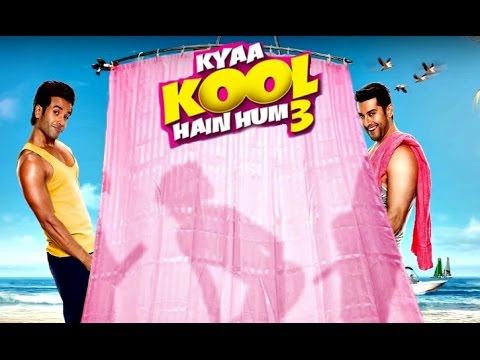

Grand Masti

Mastizaade
Also Read: 13 Banned Movies, We Bet You Can’t Watch At Night Alone!
Aastha
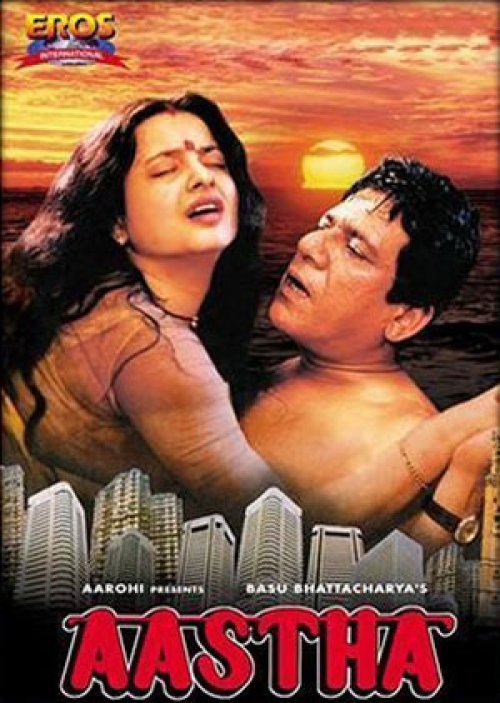
Wafaa
Also Read: 35 WORST Bollywood Movies That Scarred The Viewers For Life. Check It Out.
Girlfriend

Ishq Junoon
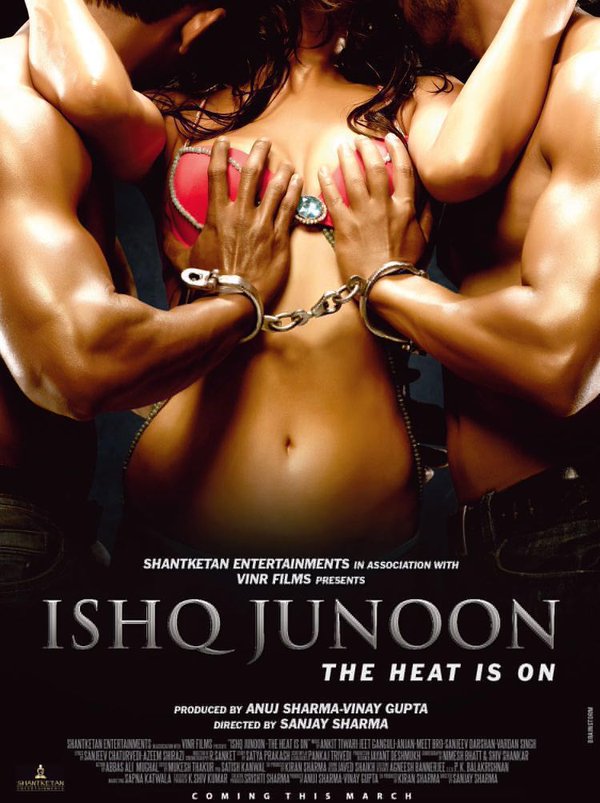
Also read:
The Unfiltered Frame: 9 Bollywood Movie Posters That Ignited a ‘Sanskaari’ Inferno
Bollywood, the world’s most prolific film industry, has always navigated a delicate balance between artistic expression and the conservative societal norms of India. While the stories themselves often push boundaries, it is sometimes the very first impression—the movie poster—that triggers a storm of controversy. A single, provocative image plastered across hoardings can challenge decades of social conditioning, inviting the wrath of cultural watchdogs, political groups, and even the courts.
These posters, often labelled as “not so-sanskaari” (not so-cultured or modest), became flashpoints for a national debate on morality, obscenity, and freedom of expression. They are a fascinating record of India’s evolving moral compass.
Here are nine iconic Bollywood movie posters that caused an unprecedented uproar, proving that sometimes, a picture is worth a thousand angry protests.
1. Ram Teri Ganga Maili (1985): The Transparent Sari That Shocked a Generation
The Film: Raj Kapoor’s 1985 directorial venture, Ram Teri Ganga Maili, was a passionate love story centered on the themes of innocence and corruption. The film launched the career of the stunning Mandakini.
The Poster & The Controversy: The film’s marketing hinged on a scene that became one of Hindi cinema’s most enduringly controversial moments. The poster featured the lead actress, Mandakini, wearing a sheer white sari while bathing under a waterfall. The fabric of the sari, once wet, turned completely transparent, leaving little to the imagination.
The Uproar: In the context of 1980s Bollywood, where on-screen intimacy was subtle and veiled, this poster was deemed an act of bold indecency and vulgarity. The blatant exposure led to widespread protests against Raj Kapoor and the film, with critics and cultural groups arguing that it commercialized and exploited the female body for profit. Decades later, the poster and the scene remain a major cultural reference point for censorship debates in Indian cinema.
2. PK (2014): The Transistor and the Test of Tolerance
The Film: Rajkumar Hirani’s satirical sci-fi comedy PK starred Aamir Khan as an alien stranded on Earth, questioning various religious beliefs and superstitions.
The Poster & The Controversy: The first-look poster of the film was an instant national talking point. It showed Aamir Khan standing on a railway track, completely nude, with only an old-school transistor radio strategically placed to cover his modesty.
The Uproar: The image was met with immediate, polarized reactions. While many praised its bold and artistic statement, others were deeply offended, calling it obscene, vulgar, and an assault on public morality. Petitions were filed in various courts, and groups demanded a ban on the poster, arguing that it promoted nudity in public spaces. A city court even received a petition to book Aamir Khan and the filmmakers under the Indian Penal Code. The controversy successfully generated massive buzz, but it starkly highlighted the conservative discomfort with direct, non-sexualized nudity in Indian public art.
3. The Dirty Picture (2011): A Seductive Pose, A Legal Battle
The Film: A biographical drama loosely based on the life of Silk Smitha, the 2011 film The Dirty Picture saw Vidya Balan deliver an acclaimed performance as a South Indian siren.
The Poster & The Controversy: The promotional posters for the film were deliberately provocative, featuring Vidya Balan in highly suggestive and seductive poses alongside her male co-stars.
The Uproar: The explicit and ‘indecent’ nature of the posters led to significant legal trouble for the actress and the filmmakers. In a notable incident, a city court in Andhra Pradesh directed the police to register a criminal case against Vidya Balan for allegedly giving “indecent poses” in the promotional material. The complaint argued that the posters were corrupting the minds of the public and harming society, citing provisions of the Indian Penal Code and the Indecent Representation of Women (Prohibition) Act, 1986. This episode marked a rare instance where promotional film material led to a judicial order for booking a lead actor.
4. Kurbaan (2009): The Sari Sent by the Censors
The Film: A romantic thriller starring the real-life couple Kareena Kapoor and Saif Ali Khan, Kurbaan dealt with the sensitive theme of terrorism.
The Poster & The Controversy: The film’s poster was designed to be intimate and striking: a bare-chested Saif Ali Khan and a bare-backed Kareena Kapoor are shown embracing against a desolate, war-torn backdrop.
The Uproar: The primary objection was to Kareena Kapoor’s bare back. A prominent political party’s women’s wing strongly objected to the “obscene” display of the actress’s body on public hoardings. In a gesture of protest and moral policing, the party infamously sent a traditional Indian sari to Kareena Kapoor, publicly urging her to cover up. The incident became a symbol of the constant pressure on female actors in Bollywood to adhere to traditional notions of modesty in their public imagery.
5. Ek Chhotisi Love Story (2002): The Double Trouble
The Film: A controversial film starring Manisha Koirala, the plot revolved around a 15-year-old boy who obsesses over and spies on his lonely, beautiful female neighbour.
The Poster & The Controversy: The film and its posters, which hinted at the voyeuristic and sexually charged theme, were slammed for being overtly obscene and indecent.
The Uproar: The backlash was severe. The women’s wing of a political party organized protests, physically tearing down and setting fire to the posters outside theatres, halting screenings in various places. Furthermore, the controversy was compounded by Manisha Koirala herself, who sought a stay order on the film’s release, alleging that the director had secretly used a body double for some intimate scenes and inserted them into the film without her consent. This layer of controversy turned the poster into a legal and ethical battleground over an actress’s control over her image.
6. Jism 2 (2012): The Silhouette of Sensuality
The Film: A sequel to the 2003 film Jism, this 2012 erotic thriller marked the Bollywood debut of adult film star Sunny Leone.
The Poster & The Controversy: One of the main promotional posters featured a highly sensuous, reclining female figure, completely nude and barely covered by a semi-transparent white sheet. The visual was designed to be explicitly suggestive of the film’s erotic theme.
The Uproar: The image drew heavy criticism for obscenity, leading to public protests where dummy models of the lead actress were burned by groups who claimed the poster violated accepted standards of propriety. Adding another dimension, the poster also faced accusations of plagiarism, with critics pointing out its strong resemblance to the visual of a fashion designer’s earlier work, forcing the debate beyond morality to issues of artistic originality.
7. Guzaarish (2010): The Cigarette and the Health Warning
The Film: Sanjay Leela Bhansali’s drama Guzaarish focused on the life of a paralyzed magician (Hrithik Roshan) seeking euthanasia.
The Poster & The Controversy: A key promotional poster featured the film’s lead pair, Hrithik Roshan and Aishwarya Rai Bachchan, sitting in a vintage car. Aishwarya is prominently shown holding a cigarette.
The Uproar: The controversy here shifted from sexuality to public health. The medical community and anti-tobacco organisations were up in arms, arguing that featuring a leading actress like Aishwarya Rai Bachchan smoking on a public poster promoted the unhealthy habit to the youth. The Delhi Health Department issued a compliance notice to the producers, citing a gross violation of the Cigarettes and Other Tobacco Products Act (COTPA) 2003, which prohibits the direct and indirect promotion of smoking. This incident set a precedent for future film promotions to adhere to strict anti-tobacco laws in their visual advertisements.
8. Dunno Y… Na Jaane Kyun (2010): The Embrace of the Unspoken
The Film: Often cited as one of Bollywood’s first mainstream attempts to address the issue of gay relationships, this film dealt with a sensitive and largely unrepresented subject in Indian cinema.
The Poster & The Controversy: The poster was a defiant statement on its own. It depicted the two male lead actors, Kapil Sharma and Yuvraaj Parashar, bare-chested and locked in a deep, passionate embrace.
The Uproar: The image, overtly portraying a homosexual embrace, caused an immediate and predictable outcry. Cultural and moral groups protested vehemently, calling the poster “obscene” and “indecent,” simply because it directly depicted a gay relationship. While the film itself aimed to handle the topic sensitively, the poster became a lightning rod for the prevalent homophobia and discomfort surrounding LGBTQ+ themes in mainstream Indian society, highlighting the struggle for visibility and acceptance.
9. Bobby (1973): The Genesis of Boldness
The Film: Raj Kapoor’s blockbuster teenage romance Bobby (1973) launched the careers of Rishi Kapoor and Dimple Kapadia.
The Poster & The Controversy: While appearing innocuous by modern standards, one of the famous posters featured Dimple Kapadia in a swimsuit or bikini.
The Uproar: In the social climate of the early 1970s, before liberalization truly took root, seeing a new lead actress in a bikini on a widespread public poster was considered groundbreaking and, for many, shocking. While the film went on to become a massive hit, this particular visual stirred a significant controversy about the decline of traditional Indian values and the infiltration of “Western” obscenity into cinema. The controversy surrounding Bobby’s poster essentially set the stage for all the censorship and moral policing battles that followed over the next five decades, marking it as a historical precursor to the “not so-sanskaari” debate.
Conclusion: The Poster as a Protest
The history of controversial Bollywood posters is not just a collection of sensational images; it is a timeline of India’s social and moral transformation. From the subtle shock of a bikini in Bobby and a transparent sari in Ram Teri Ganga Maili to the direct challenge of nudity in PK and the representation of homosexuality in Dunno Y… Na Jaane Kyun, each poster reflects the boundaries and anxieties of its time.
These nine posters, often intentionally provocative, successfully did their job: they sparked conversations, generated immense publicity, and, in a strange way, pushed the envelope of what was deemed acceptable in the public sphere, one blurred line at a time. They remind us that for the custodians of Indian cinema, the fight for creative freedom often begins not on the silver screen, but on the simple sheet of a movie poster.
AISEO Friendly FAQs
Q1: What makes a Bollywood movie poster “controversial”?
A: A Bollywood movie poster is typically labeled “controversial” when it is perceived to violate traditional Indian social and moral codes. Common reasons include:
- Perceived Obscenity or Indecency: Showing excessive skin, sexually suggestive poses, or nudity (e.g., Ram Teri Ganga Maili, PK, The Dirty Picture).
- Hurt Sentiments: Offending religious, cultural, or community feelings, or depicting themes like homosexuality (e.g., PK, Dunno Y… Na Jaane Kyun).
- Violation of Public Health Laws: Promoting illegal activities like smoking on public advertisements (e.g., Guzaarish).
- Exploitation/Ethical Concerns: Claims of using body doubles without consent or copying designs (e.g., Ek Chhotisi Love Story, Jism 2).
Q2: Did any of the controversial posters face legal action?
A: Yes, several controversial posters led to significant legal action. For instance, a city court ordered the police to register a case against Vidya Balan for “indecent poses” in The Dirty Picture posters. Additionally, petitions were filed against the posters of PK for obscenity, and the Delhi Health Department issued notices for the Guzaarish poster due to its depiction of smoking.
Q3: How did the Ram Teri Ganga Maili poster become such a major scandal in the 1980s?
A: The Ram Teri Ganga Maili poster, which featured actress Mandakini in a wet, transparent white sari under a waterfall, was highly controversial because it was considered an unprecedented display of nudity and vulgarity for mainstream Indian cinema in 1985. It was seen as an exploitation of the female form and a direct challenge to the era’s conservative moral standards.
Q4: Which movie poster faced objections from a political party?
A: The poster for the 2009 film Kurbaan faced strong objections from a prominent political party’s women’s wing because it featured Kareena Kapoor’s bare back. The party went so far as to send a saree to the actress as a symbolic protest, urging her to cover up. The posters of Ek Chhotisi Love Story were also targeted and burned by the Shiv Sena women’s wing.
Q5: Did the controversies help or harm the films?
A: In most cases, the controversies, while causing legal and public headaches, often resulted in massive pre-release publicity, driving curiosity and audience interest. Films like PK, The Dirty Picture, and Ram Teri Ganga Maili went on to be major box office successes, suggesting that the “controversy-marketing” was an effective, albeit risky, strategy to draw attention.

This Post Has 0 Comments