The girl-next-door, Amrita Rao, made her Bollywood debut in 2002 with the movie Ab ke…
Controversial Life Of Veteran Actress Parveen Babi, Who Was Found Dead In Her Apartment And No One Was Interested To Attend Her Funeral!
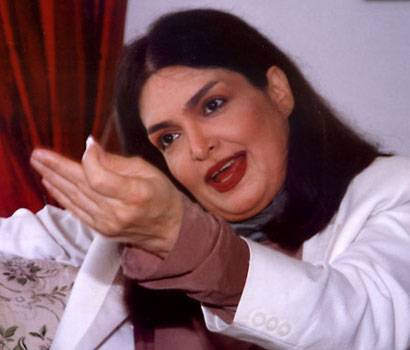
After 13 years of Bollywood stardom, the actress, bid goodbye to the film industry and went to New York as she was known to have been suffering from schizophrenia, a kind of delusional disorder. In order to seek solace, she sought for alternative contemporary spirituality and followed Osho for a few years after which she got influenced by the teachings of U.G. Krishnamurti. 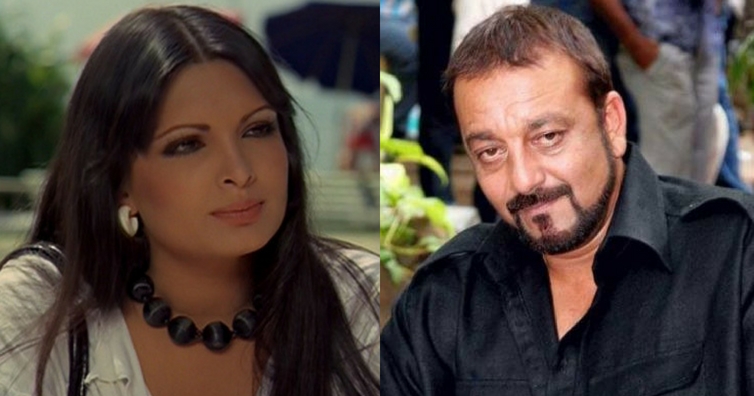 In 1993, Parveen Babi filed a case against Sanjay Dutt on account of his involvement in Bombay serial blasts indicating that she has gathered evidence. But she did not turn up for the court hearing stating that she was scared of making an appearance in the public.
In 1993, Parveen Babi filed a case against Sanjay Dutt on account of his involvement in Bombay serial blasts indicating that she has gathered evidence. But she did not turn up for the court hearing stating that she was scared of making an appearance in the public.Also Read:
14 Bollywood Actors And Their Obsessive-Compulsive Disorder
10 SHOCKING EXTRA-MARITAL AFFAIRS OF BOLLYWOOD CELEBRITIES
The Icarus of Bollywood: The Tragic, Controversial Life of Parveen Babi and Her Lonely Farewell
Parveen Babi was a dream painted in gold and glitter on the silver screen of 1970s and 80s Bollywood. With her glamorous, “Westernized” image, she was the quintessential modern heroine—bold, chic, and unafraid to challenge conventions. She was an icon who redefined screen presence and became the first Indian star to grace the cover of Time magazine in 1976.
Yet, for a woman who commanded the spotlight and the highest salary of her time, her life ended in heart-wrenching solitude. The story of Parveen Babi is a stark, cautionary tale of dazzling fame, public scrutiny, a silent battle with mental illness, and an ultimate, tragic irony: her funeral, the final curtain call for a superstar, was attended by only a handful of people, most notably the three men who had loved her.
The Dazzling Rise of a Screen Siren
Parveen Sultana Wali Mohammad Khanji Babi was born into a noble family in Junagadh, Gujarat, in 1954. She was educated, earning a Master’s degree in English Literature from St. Xavier’s College, Ahmedabad. Her striking looks and sophisticated bearing quickly led her into the world of modeling in 1971.
Her entry into Bollywood with the 1973 film Charitra was followed by a string of blockbusters that cemented her position as a top-tier actress. Parveen Babi was not the typical, demure Bollywood heroine. She represented a dramatic shift, portraying women who drank, smoked, and engaged in premarital sex on screen, a daring departure from the established norms of Indian cinema.
Filmography Highlights
Her on-screen partnership with superstar Amitabh Bachchan was particularly celebrated, leading to many of the decade’s biggest hits:
- Deewaar (1975): Her role as Anita, the hero’s modern girlfriend, marked a breakthrough and helped establish her bold screen image.
- Amar Akbar Anthony (1977): A massive hit, where she played the vivacious Jenny.
- Shaan (1980): She played Sunita, a fearless journalist, opposite Shashi Kapoor.
- Namak Halaal (1982): Her glamorous presence as Nisha contributed to the film’s success.
At the peak of her career, Parveen Babi was a cultural phenomenon. Her global recognition was sealed in 1976 when she became the first Indian actor to be featured on the cover of Time magazine, symbolizing the changing face of Indian cinema.
A Star-Crossed Personal Life and Turbulent Relationships
While her professional life soared, Parveen Babi’s personal life was fraught with turmoil, becoming constant fodder for the gossip mills. She had a series of highly publicised, live-in relationships with three major figures from the film fraternity:
- Danny Denzongpa: Her first serious relationship in the industry, which ended amicably.
- Kabir Bedi: Their relationship was intensely scrutinised as it began while Kabir Bedi was in an open marriage with Protima Bedi. Bedi has since stated that the relationship ended as her mental health struggles worsened.
- Mahesh Bhatt: The most intense and publicised relationship, which ended due to her deteriorating mental state. Filmmaker Mahesh Bhatt would later draw on his experiences with Babi for his films.
These relationships, though filled with love and mutual respect, coincided with the onset of her mental health issues, which the country, at the time, was ill-equipped and insensitive to handle.
The Shadow of Illness and Paranoia
The turning point in Parveen Babi’s life, and the beginning of her tragic decline, was the onset of her severe mental health condition. She was believed to have been diagnosed with paranoid schizophrenia, a condition she fiercely denied, instead asserting that it was a conspiracy orchestrated by the film industry and the media to discredit her.
The public began to witness concerning episodes, which were sensationalized by the media:
- Growing Paranoia: Her condition manifested as intense paranoia, notably in 1979 when Mahesh Bhatt witnessed her claiming that Bollywood figures were conspiring against her.
- Controversial Accusations: As her illness progressed, she became increasingly isolated and made public, sensational allegations, including filing a police complaint accusing a reigning superstar, Amitabh Bachchan, of attempting to kill her. She later withdrew the complaint.
- Abrupt Withdrawal: In 1983, at the height of her stardom, she abruptly left India and the film industry for a spiritual journey with philosopher U. G. Krishnamurti, seeking refuge and an attempt to heal. She returned six years later but was a changed, reclusive person, cutting herself off from friends and family.
Parveen Babi’s struggle with mental illness came at a time when there was little awareness, sensitivity, or infrastructure for mental healthcare in India, leading to her being widely misunderstood and increasingly isolated, turning her into a social pariah in her final years.
A Solitary End and the Tragic Funeral
Parveen Babi’s tragic life reached its sorrowful conclusion in January 2005. Her death was discovered only after her residential society secretary alerted the police that she had not collected her groceries and newspapers from her doorstep for three days.
On January 22, 2005, her body was found in her Mumbai apartment. She was only 50 years old. An autopsy ruled out foul play, determining the cause of death as multiple organ failure stemming from complications related to diabetes, which was so severe it had caused gangrene on her left foot. She was believed to have starved to death after not eating for more than three days. Found near her body were a wheelchair and her medication, painting a desolate picture of her final, lonely days.
No One Was Interested To Attend Her Funeral
The most poignant and enduring image of her tragic end was the funeral. For a star who had once been the fantasy of millions and the darling of the box office, her farewell was a deeply sad and solitary affair, underscoring the fickle nature of show business and the abandonment she faced in her last years.
The great irony was that the vast majority of Bollywood’s luminaries—the people she had worked with, partied with, and entertained—were conspicuous by their absence. The only prominent members of the film fraternity who attended to pay their last respects were her three former lovers: Kabir Bedi, Mahesh Bhatt, and Danny Denzongpa.
In a heartbreakingly poetic gesture, these three men—who had shared the intimate complexity of her life and had tried, in different ways, to help her through her struggles—came together to carry her body to her dimly lit grave in the Juhu Muslim Cemetery, where she was buried beside her mother. Their presence was a final, sorrowful testimony to the luminous woman they had once known and loved, now tragically departed and virtually forgotten by the industry she had once ruled.
Parveen Babi’s life remains an unhealed wound in Bollywood history—a reminder that behind the blinding glamour of the silver screen lies the fragile, human story of a woman who was too modern for her time and too complex for her society to comprehend.
AISEO Friendly FAQs
Q1: What was Parveen Babi’s most controversial act?
A: Parveen Babi’s life was controversial due to her unconventional, live-in relationships with three married or previously committed men (Danny Denzongpa, Kabir Bedi, and Mahesh Bhatt) and, later, her public accusations of conspiracy and plotting against major Bollywood figures, including Amitabh Bachchan, which were a manifestation of her struggles with paranoid schizophrenia.
Q2: How did Parveen Babi die?
A: Parveen Babi died in January 2005 at the age of 50 in her Mumbai apartment. The autopsy determined the cause of death as multiple organ failure due to complications from severe diabetes and gangrene. It was also suspected that she may have starved to death, as no food was found in her stomach, and she was believed to have not eaten for more than three days.
Q3: Which famous Bollywood personalities attended Parveen Babi’s funeral?
A: The funeral of Parveen Babi was sparsely attended by the film fraternity. The three famous Bollywood personalities who paid their last respects and helped carry her body to the grave were her three former romantic partners: Kabir Bedi, Mahesh Bhatt, and Danny Denzongpa.
Q4: What mental illness was Parveen Babi diagnosed with?
A: Parveen Babi was widely believed to have been diagnosed with paranoid schizophrenia, a debilitating mental illness. However, she herself always denied this diagnosis, asserting that her paranoia and subsequent withdrawal from the film industry were due to a conspiracy against her.
Q5: Why was Parveen Babi a major icon in the 1970s?
A: Parveen Babi was a major icon in the 1970s and 80s for her “Westernized” image and bold, glamorous persona, which redefined the modern Indian film heroine. She was a trendsetter, an image of on-screen independence, and made history as the first Bollywood star to appear on the cover of Time magazine in 1976.

This Post Has 0 Comments