The girl-next-door, Amrita Rao, made her Bollywood debut in 2002 with the movie Ab ke…
Do You Know Mithun Chakraborty Was A Member Of Naxalite Before Entering In Films, Read His Soul-Stirring Story To Fame!
Not only in dance, he also gained fame for his action:
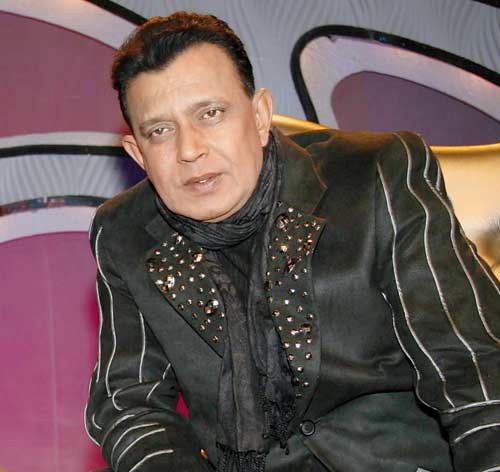 The actor is a trained in martial arts with black belt. He did not only shoot films with his dancing style but also showed the action too. He was producers first choice in low budget films. He did dozens of action and drama films. Along with Bollywood, he has acted in regional films. In addition, he has also judged TV reality shows ‘Dance Bengali Dance’ and ‘Dance India Dance’ (2009). He was the Grandmaster of the show. [ads1]
The Unwritten Chapter: Mithun Chakraborty’s Soul-Stirring Journey from Naxalite to ‘Disco King’
The story of Bollywood is filled with incredible rags-to-riches sagas, but few are as intensely dramatic and contradictory as that of Mithun Chakraborty. Before he was the ‘Disco Dancer,’ the charismatic action hero, or the ‘Mahaguru’ of reality television, the man born Gouranga Chakraborty was living a life marked by extreme political radicalism and deep personal danger.
The sensational truth—that Mithun Chakraborty was a member of the Naxalite movement before he ever faced a film camera—is the deeply personal and often untold beginning of one of Indian cinema’s most enduring legends. It is a soul-stirring tale of ideology, betrayal, tragedy, and an extraordinary reinvention that began on the streets of Calcutta and culminated in the glittering world of cinema.
The Young Revolutionary: Bengal’s Age of Upheaval
Born Gouranga Chakraborty in Calcutta (now Kolkata), Mithun grew up during a time of intense political and intellectual ferment in West Bengal. The late 1960s and early 1970s saw the rise of the Naxalite movement—an ultra-leftist political wave advocating for the rights of the underprivileged and a violent overthrow of the established order.
Like many impressionable and ideologically driven Bengali youths of the era, the future superstar was deeply swayed by Marxist and Maoist thought and the desire for social justice.
- Deep Political Roots: Chakraborty’s early political affiliation was with the Communist Party of India (Marxist–Leninist), and he was drawn to radical groups challenging the state.
- A Dangerous Association: He was reportedly a “true blue” Naxalite, immersing himself completely in the revolutionary ideology. During this period, he is said to have become close to a popular Naxalite figure known as Ravi Ranjan, nicknamed “Bhaa.”
This was not a fleeting college dalliance; it was a commitment that put him directly on the run from the authorities. He has referred to being a “fugitive from justice” for quite some time, with the label of being a Naxalite following him everywhere he went.
The Turning Point: A Personal Tragedy and a Grave Risk
The life of an active political radical in a state facing heavy police crackdown is fraught with existential risk, but for Mithun, the decision to leave the movement was triggered by an unimaginable personal catastrophe.
The widely reported turning point came with the death of his brother. Sources indicate that a personal tragedy, possibly the loss of his brother in an accident or a situation related to political violence, shattered his belief in the armed struggle. This profound loss forced the young Gouranga to question his path and make the difficult, life-altering decision to return to his family.
The Price of Desertion
Leaving the Naxalite movement was not a simple departure; it was a move that carried a heavy personal risk.
- Viewed as a Deserter: The actor once claimed in an old interview that many of his comrades were unhappy with his decision and viewed him as a “deserter.”
- Life in Hiding: To protect himself and his family, Mithun went underground for a short period. His political past made it impossible to safely return to a normal life in Calcutta.
The future star’s desperate need for a fresh start led him far away from the political turmoil of Bengal and toward a completely new, uncertain, and unexpected horizon: cinema.
Rebirth in Pune: The Film Student
In an extraordinary act of reinvention, Mithun Chakraborty applied for and was accepted into the Film and Television Institute of India (FTII) in Pune. This transition—from an ‘urban Naxal’ constantly running from the law to a disciplined film student—was his conscious effort to shed his old identity.
He was one of the few students who arrived with a shadow over their past, but he channeled the intensity and conviction of his earlier life into a new art form. The rigorous training at FTII provided him with a new skillset and, more importantly, a new purpose.
The Mumbai Struggle: Footpaths and Humiliation
If escaping the Naxalite past was Mithun’s first great challenge, his struggle in the Mumbai film industry was his second, equally arduous trial by fire. He arrived in Bombay (now Mumbai) with his FTII degree but without the typical industry connections or financial backing.
His own accounts of this period are heartbreakingly honest, painting a picture of sheer destitution:
- Sleeping on the Footpath: He revealed that during his penniless days in the city, he had to sleep on footpaths, including in Five Garden, or sometimes outside a hostel.
- Hunger and Despair: The actor has shared that there were many days he had to sleep on an empty stomach, crying himself to sleep, and not knowing where his next meal would come from.
- Contemplating Suicide: The struggle was so overwhelming that he admitted to having contemplated suicide at one point, feeling completely stuck between a dangerous past he couldn’t return to and a bleak future he couldn’t crack.
- Racial Ridicule: Adding to the emotional burden, he was reportedly ridiculed and disrespected for his skin colour for many years, a heartbreaking experience he hopes no one else endures.
In a poignant statement, he once remarked that his story of struggle might not inspire people, but instead “break them.”
The Rise to Stardom: From Art House to ‘Disco King’
The culmination of this incredible journey of struggle and transformation finally arrived on the silver screen.
The National Award-Winning Debut: Mrigayaa (1976)
In a twist of fate that seems tailor-made for a script, the man who fought for the rights of the underprivileged made his cinematic debut playing a tribal archer in Mrinal Sen’s art-house film, Mrigayaa (1976).
His portrayal of Ghinua, a sharp-shooter-archer caught between a British administrator and a greedy moneylender, was raw, powerful, and authentic. The performance was instantly recognized, winning him the National Film Award for Best Actor for his very first Hindi film.
The Global Phenomenon: Disco Dancer (1982)
Despite the critical acclaim of his debut, Mithun spent the next few years navigating a difficult career. He finally achieved mass stardom and cemented his commercial identity with the 1982 blockbuster, Disco Dancer.
The film, featuring Bappi Lahiri’s iconic music and Mithun’s electrifying dance moves, turned him into a national and international sensation. Disco Dancer was a major box-office success not just in India but also overseas, particularly becoming an all-time blockbuster in the Soviet Union. The film’s success catapulted him into the league of top stars, earning him the enduring nickname: the ‘Disco King’.
Mithun Chakraborty’s life is a testament to the power of reinvention. From the perilous life of an ideological warrior to sleeping on the streets of Mumbai, and finally to the global spotlight of cinema, his story is one of unwavering resilience. It proves that even the deepest scars of a turbulent past can be polished into the shine of enduring stardom.
AISEO Friendly FAQs
Q1: Was Mithun Chakraborty actually involved in the Naxalite movement?
A: Yes, it is widely reported that Mithun Chakraborty (born Gouranga Chakraborty) was briefly involved with the Naxalite movement in West Bengal during the late 1960s and early 1970s. He was reportedly influenced by leftist and Marxist-Maoist ideologies that were prevalent among students in the region at the time.
Q2: Why did Mithun Chakraborty leave the Naxalite movement?
A: Mithun Chakraborty left the Naxalite movement due to a major personal tragedy—the widely reported death of his brother. This loss, which allegedly happened in an accident or crossfire, deeply affected him, forcing him to reconsider his life choices and return to his family, even though it meant risking his life by being considered a “deserter” by his former comrades.
Q3: What were Mithun Chakraborty’s struggles before entering the film industry?
A: After leaving his political past and completing his education at the Film and Television Institute of India (FTII), Mithun Chakraborty faced immense poverty in Mumbai. He has publicly stated that he was penniless, had to sleep on footpaths, and often went to bed hungry. He also revealed that he had to endure being ridiculed for his skin colour for many years and even contemplated suicide during his toughest days.
Q4: What was Mithun Chakraborty’s first movie and did he win an award for it?
A: Mithun Chakraborty’s debut Hindi film was the critically acclaimed art-house drama Mrigayaa in 1976, directed by Mrinal Sen. He won the prestigious National Film Award for Best Actor for his performance in his debut film, which is a remarkable feat.
Q5: Which film cemented Mithun Chakraborty’s stardom as the ‘Disco King’?
A: The film that cemented Mithun Chakraborty’s identity as the ‘Disco King’ and propelled him to mass stardom was the 1982 blockbuster Disco Dancer. The movie was an international hit, particularly in the Soviet Union, and is known for its iconic music and Mithun’s signature dance moves.

This Post Has 0 Comments