The girl-next-door, Amrita Rao, made her Bollywood debut in 2002 with the movie Ab ke…
From DDLJ To Rang De Basanti: You Definitely Don’t Want To Miss These Behind The Scene Pictures Of Your Favourite Bollywood Film

After shooting and editing Bollywood films seem perfect on screen, from exotic locations to pretty faces all seems like a dream. But in reality what we see ion silver screens is the small part all the things that happen on the sets. The stars have to struggle a lot for ‘that one perfect scene’ and there are times when they have fun on the sets too. From Shah Rukh Khan to Salman and Aamir, these Bollywood stars have been entertaining us since decades, but we hardly know what happens behind the scenes and on the sets of the Bollywood blockbusters, but thank god for these candid pictures from the sets that give us a little more insight into what happens behind the cameras. From DDLJ to Baajiraao Mastani, Three Idiots, To Jab Tak Hai Jaan, have a look at these behind the scenes pictures of popular Bollywood flicks.
Hrithik Roshan on the sets of Jodha Akbhar. 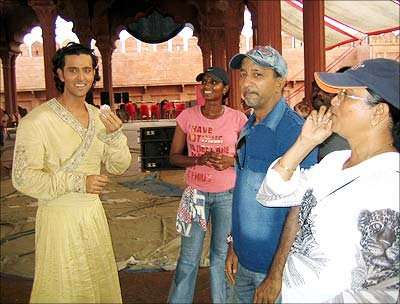

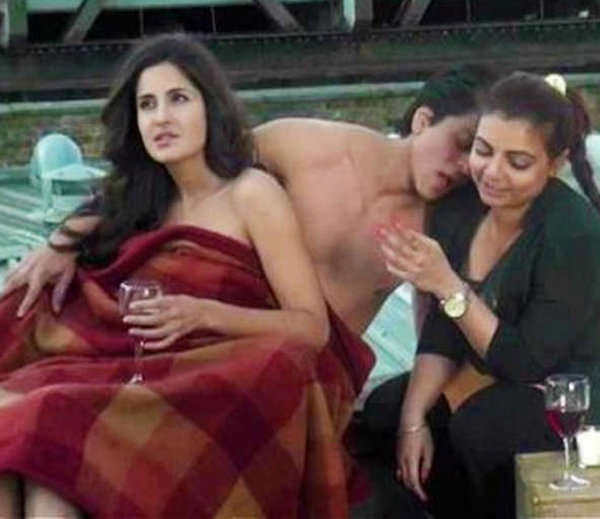
Trying to portray the best, is he?  Aishwarya Rai practising for her character.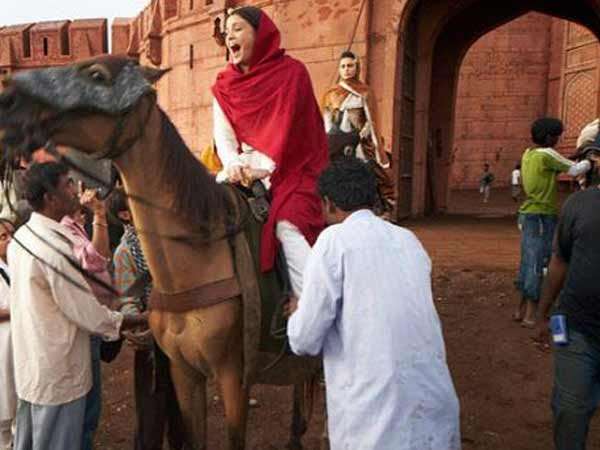
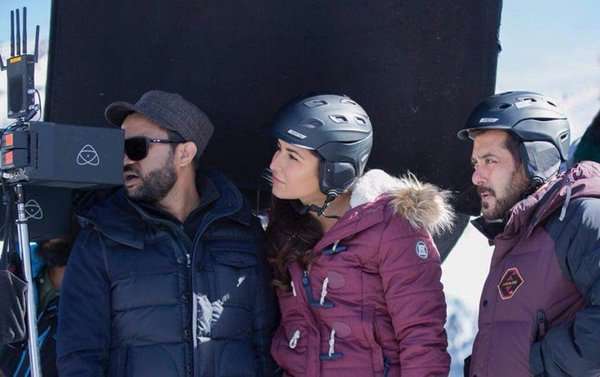
Aishwarya Rai practising for her character. Katrina Kaif and Salman Khan recently shot for the acting sequence in -22 degree celsius in Austria.
Another picture of Salman shooting for death-defying & jaw-dropping action sequence. 
Kareena Kapoor taking a break from the shoot. This candid capture of Kareena is from film ‘Three Idiots’.
Ranbir Kapoor shooting for Jagga Jasoos. 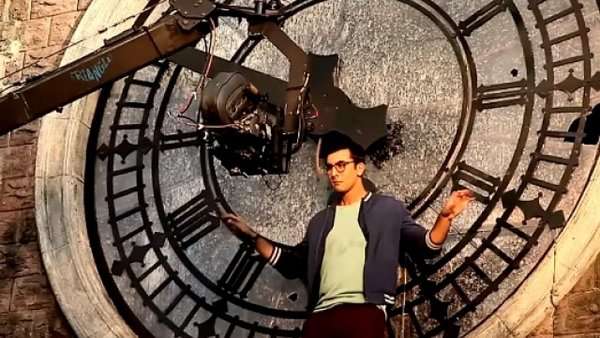
Katrina Kaif gets all goofy while shooting with her ex Ranbir on the sets of their film Jagga Jasoos. 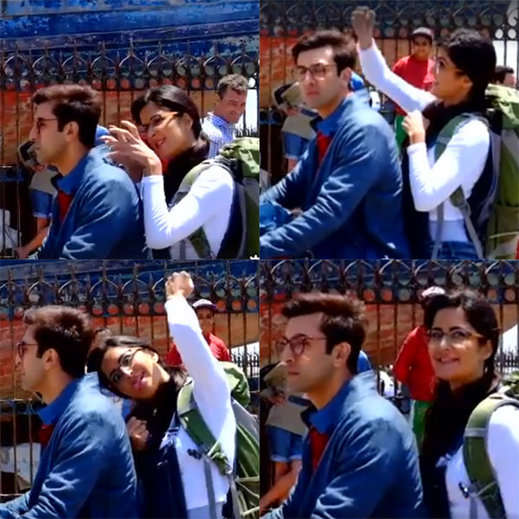
Rang De Basanti left a great impact on all of us. The film had excellent shots, and storyline. 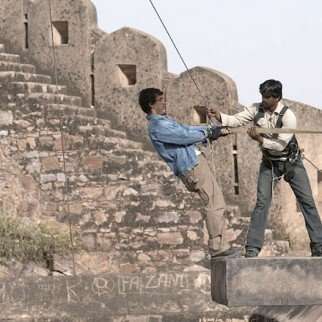
Also Read:
Take a look: 7 Hyped Fake-Affairs Of Bollywood Created By Media, But They Look Pretty Together!
Shah Rukh and Farah are best buddies and this old picture from the sets of their film proves the same. 
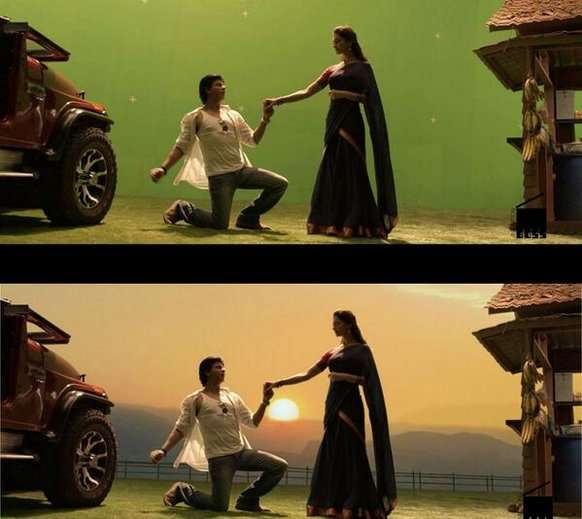
In case you weren’t aware about the magic of VFX. Deepika and SRK shooting for the film Chennai Express.
Captured in the BTS click: Deepika’s hard work for Bajirao Mastani 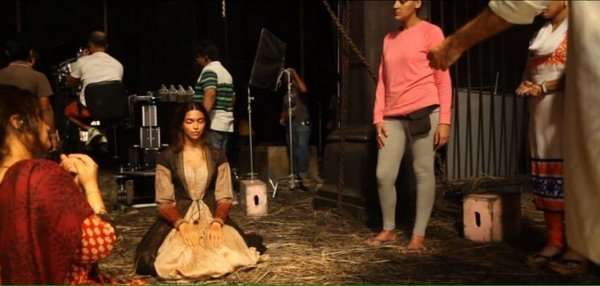
Bajirao Mastani: Ranveer Singh getting prepped up for his character. 
Kajol gets goofy while Shah Rukh pays attention during the shoot of DDLJ. 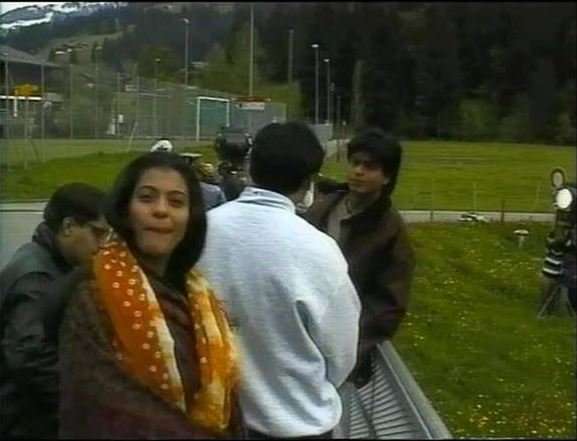
Karan, Srk and Rani during the shoot of Kuch Kuch Hota Hai, Nostalgic enough? 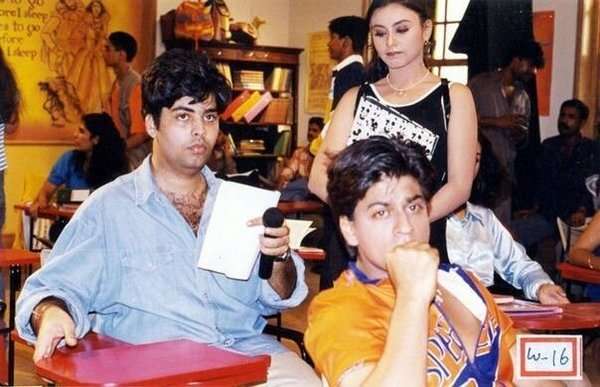
Another BTS click of besties SRK- Karan. 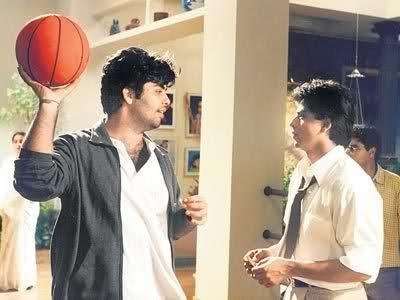
Also Read:
Source: Daily Bhaskar
From DDLJ To Rang De Basanti: You Definitely Don’t Want To Miss These Behind-The-Scenes Secrets Of Your Favourite Bollywood Films
Bollywood films are more than just entertainment; they are a cultural phenomenon. We queue up for the first-day-first-show, memorise the dialogues, and turn the songs into a part of our lives. But behind the perfectly synchronised dance numbers, the tear-jerking climaxes, and the breathtaking locations lies a trove of stories, challenges, and unscripted moments that the cameras, for a brief moment, missed.
A single behind-the-scenes picture can peel back the curtain, transforming our favourite characters from mythical figures into regular people simply trying to make movie magic.
We dive deep into the fascinating production secrets of four iconic films—from the eternal romance of DDLJ to the revolutionary spirit of Rang De Basanti—that changed the face of Indian cinema forever.
1. Dilwale Dulhania Le Jayenge (DDLJ): The Making of an Eternal Romance
Twenty-five years later and still running, Dilwale Dulhania Le Jayenge (1995) remains the gold standard for romantic Hindi cinema. But Raj and Simran’s epic love story was nearly very different, proving that sometimes, the magic is completely unintentional.
Imagine the film with a different title, or even a different leading man! The BTS stories from the sets of DDLJ show that this classic was built on moments of conviction, and a few lucky accidents.
The Unscripted Moments That Became Iconic
- The Unintentional Fall: In the iconic song “Ruk Ja O Dil Deewane,” where Raj (Shah Rukh Khan) expresses his feelings to Simran (Kajol) before running away, the final moment sees Raj drop Simran to the floor as he leaves. This moment was completely unscripted for Kajol. Director Aditya Chopra deliberately withheld this detail from her to capture her genuine look of shock and surprise on camera, which made the moment feel incredibly real and spontaneous.
- A “Wimp” of a Role: Shah Rukh Khan was initially hesitant to accept the role of Raj Malhotra, which would define his career. He was known for playing anti-heroes and felt the romantic character was a “wimp.” He also thought he was too old to pull off the role of a college boy, but eventually relented out of faith in Aditya Chopra and Yash Chopra, who convinced him that he wouldn’t become a big star without a romantic film.
- A Hollywood Idea: Director Aditya Chopra’s very first idea for the film was to cast a Hollywood actor, specifically Tom Cruise, as the male lead. The working title for this concept was “The Braveheart Will Take the Bride,” but Yash Chopra convinced his son to go with an Indian cast, leading to the creation of Raj Malhotra.
- The Title’s Unexpected Origin: The memorable title, Dilwale Dulhania Le Jayenge, which is now synonymous with Bollywood romance, was actually suggested by Anupam Kher’s wife, Kirron Kher. Her name even appears in the film’s credits for suggesting the title, which was inspired by a line from the 1974 film Chor Machaye Shor.
2. Rang De Basanti: The Revolution That Began with a Diet
Released in 2006, Rang De Basanti became a cultural landmark, inspiring a generation of Indian youth to question the system. The production itself was a testament to the dedication of its cast and crew, who went to incredible lengths to bring Rakeysh Omprakash Mehra’s vision to life.
Dedication and Transformation on Set
- Aamir Khan’s Age-Defying Transformation: Aamir Khan, who was in his 40s at the time of shooting, was tasked with playing DJ, a 25-year-old college student. To believably embody the youthful character, he underwent a strict diet and exercise regime, shedding nearly 10 kilograms of weight.
- Seven Years in the Making: The film was not a quickly penned script. Director Rakeysh Omprakash Mehra spent an astonishing seven years researching and developing the story. His initial ideas involved a group of mechanics or a straightforward biopic on Bhagat Singh before the final, multi-layered screenplay emerged.
- The Rewritten Climax: The film’s powerful, tragic climax—where the friends make a final, heroic stand—was not the original plan. The initial script showed the protagonists on the run, but the team felt this was not in line with the spirit of the revolutionaries they were portraying. They mutually decided to rewrite the ending to be a ‘last stand,’ a sacrifice mirroring that of Bhagat Singh.
- Fake Campus, Real Action: The scenes depicting the lively Delhi University campus, including the place where the British documentary filmmaker, Sue, first meets the gang, were actually shot at the India Habitat Centre in New Delhi, which was dressed up to look like a university.
3. Lagaan: An Epic Against All Odds
Lagaan: Once Upon a Time in India (2001) was an unprecedented epic, mixing a period drama with a sports film, all while being set in a drought-ridden 19th-century village. The immense scale of the production in the arid landscape of Kutch, Gujarat, demanded military-level discipline.
The Challenges of Creating Champaner
- Building a Village, Brick by Brick: The entire village of “Champaner” seen in the film was an elaborate set built from scratch on rented land in the barren Kutch district of Bhuj. The production team spent five months constructing the detailed, period-accurate village set. To combat the scorching 50°C heat, the rustic-looking huts were cleverly equipped with modern air conditioners and toilets inside for the cast and crew’s comfort.
- The Unforgiving Punctuality Rule: As a producer, Aamir Khan enforced an incredibly strict punctuality rule for the entire crew. Latecomers had to find their own transport to the remote location. Even Aamir Khan himself was once five minutes late and was left behind by the common crew bus, having to arrange his own ride.
- The First Sync Sound Film: Lagaan was one of the first major Indian films to be shot entirely in sync sound, meaning all dialogues were recorded live on set, not dubbed later in a studio. This groundbreaking technique required absolute silence on the remote set. The crew often had to track down and shut down noise sources, sometimes as far as two kilometres away, to maintain the required silence.
- The Magic of Rain: In a truly cinematic twist, the drought-stricken region of Bhuj, where the film was shot, did not receive rain throughout the entire six-month schedule, perfectly matching the film’s theme. Then, just one week after the shooting wrapped up, the area received heavy rainfall, bringing much-needed relief and a sense of poetic justice to the end of the production.
4. Dil Chahta Hai: Redefining Youth and Friendship
Farhan Akhtar’s directorial debut, Dil Chahta Hai (2001), was a watershed moment for modern Bollywood, introducing new aesthetics, a contemporary script, and a fresh take on urban friendship. The behind-the-scenes glimpses reveal a young, energetic team experimenting with new techniques.
A New Wave of Filmmaking
- The Soundtrack in Four Days: The film’s iconic, chart-topping soundtrack, composed by Shankar-Ehsaan-Loy, was created in a rush of brilliance. The musical trio, along with Farhan and Javed Akhtar, travelled to Lonavla for ten days, but incredibly, returned with all six songs completely composed and written within just four days.
- Aamir’s Trendsetting Haircut: Aamir Khan’s distinctive, spiky, and gelled haircut for the character Akash Malhotra became a major fashion trend among Indian youth after the film’s release, solidifying its status as a youth icon.
- The Sync Sound Scares: Following Lagaan, Dil Chahta Hai was one of the early adopters of sync sound. This was a novelty that initially made some established actors nervous, including Saif Ali Khan, who initially almost quit the movie because he felt more comfortable with the traditional dubbing process.
- The English-Language Script: Farhan Akhtar wrote the film’s first draft, including the script and dialogues, entirely in English. This fresh perspective contributed to the film’s modern and westernised feel, a stark contrast to the traditional Bollywood fare of the time.
AISEO Friendly FAQs
Q1: Which Bollywood movie was the first to use sync sound extensively?
A: Lagaan (2001) is widely considered one of the first major Bollywood films to be shot entirely using sync sound, a technique where dialogue is recorded live on set instead of being dubbed later. Dil Chahta Hai also followed suit soon after.
Q2: Who suggested the title for the movie Dilwale Dulhania Le Jayenge (DDLJ)?
A: The iconic title, Dilwale Dulhania Le Jayenge, was suggested by actress Kirron Kher, who is the wife of actor Anupam Kher (who played Raj’s father in the film). Her name is acknowledged in the film’s credits.
Q3: How much weight did Aamir Khan lose for his role in Rang De Basanti?
A: Aamir Khan, who was in his 40s during the filming of Rang De Basanti, lost approximately 10 kilograms (22 lbs) through a strict diet and exercise regime to convincingly portray the 25-year-old college student character, DJ.
Q4: Where was the fictional village of Champaner in Lagaan actually built?
A: The entire village set of Champaner was constructed from scratch on rented land in the Kutch district of Bhuj, Gujarat, which was chosen for its arid, drought-like conditions to match the film’s storyline.
Q5: Which Bollywood film’s crew famously left the main lead behind due to a strict punctuality rule?
A: During the shooting of Lagaan, the crew followed a rigid schedule and punctuality rule, which was enforced by producer Aamir Khan. On one occasion, Aamir Khan himself was reportedly five minutes late and was left behind by the shared crew bus.

This Post Has 0 Comments