छोटे परदे पर ‘बालिका वधु’ में आनंदी के नाम से मशहूर हुईं प्रत्यूषा बनर्जी…
धर्मेन्द्र से भी बड़े स्टार थे उनके भाई वीरेन्द्र, लेकिन ऐसे कर दी गई निर्मम हत्या
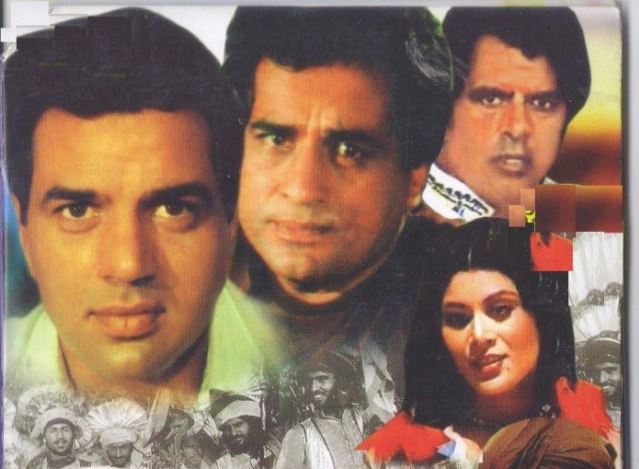
लेकिन ‘वीरेन्द्र सिंह’ का सितारा ज्यादा दिन तक नही चमक पाया और उनकी सफलता ही उनकी जान की दुश्मन बन गई. उनकी सफलता से जलकर उस समय ‘वीरेन्द्र सिंह’ के जितने चाहने वाले थे उससे कही ज्यादा दुश्मन भी थे. एक दिन ‘जट ते ज़मीन’ फिल्म की शूटिंग के समय इनकी गोली मारकर हत्या कर दी गयी.
[ads1]
Source: Bollywoodpapa
धर्मेंद्र से भी बड़े स्टार थे उनके भाई वीरेन्द्र, लेकिन ऐसे कर दी गई निर्मम हत्या: The Tragic Tale of Punjabi Cinema’s ‘He-Man’
In the grand, dramatic narrative of Indian cinema, the name Dharmendra shines as a titan—a ‘He-Man’ of Bollywood whose career spanned decades of blockbuster hits. Yet, unbeknownst to many outside of Punjab, the Deol family tree bore another star whose light burned even brighter, though far too briefly, in a different sky: Virendra Deol.
Hailed as the ‘First Superstar’ and ‘Godfather’ of Punjabi Cinema, Virendra’s success rate was a phenomenon that even his famous cousin could hardly rival within his own domain. But the very popularity that crowned him king of Pollywood became a double-edged sword, leading to his brutal and mysterious assassination on a film set in 1988, a tragedy that remains an unsolved case in the annals of Indian film history.
This is the story of Virendra, the charismatic and prolific star who, in the 1980s, was an even bigger name than Dharmendra in the world of regional cinema, and whose life was cut short by the very volatile environment he dared to film in.
वीरेंद्र: The ‘He-Man’ of Punjabi Cinema
The claim that Dharmendra’s cousin, Virendra, was a bigger star may seem bold, but it is entirely accurate when contextualised within the Punjabi film industry of the 1970s and 80s. While Dharmendra was the reigning action hero of Hindi cinema, Virendra achieved an almost mythological status in Pollywood.
A Star is Born
Born Subhash Dhadwal on January 29, 1948, in Phagwara, Punjab, Virendra was Dharmendra’s cousin (son of Dharmendra’s uncle), though the two shared a bond akin to real brothers. Growing up in the same household, Virendra was inspired by Dharmendra’s eventual success in Bombay. His striking resemblance to the Bollywood superstar—with his tall, muscular build—was a significant factor, leading fans to fondly call him ‘Punjabi cinema’s He-Man.’
His journey into acting began with the blessings and support of his famous brother.
The Golden Run: An Unmatched Success Rate
Virendra made his acting debut in the 1975 Punjabi film ‘Teri Meri Ek Jindri,’ which also featured Dharmendra in a special role, a move by the veteran to launch his younger brother’s career. From that moment on, Virendra never looked back, dedicating his career almost exclusively to the regional industry.
Over his brief 12-year career, Virendra accomplished a feat that is virtually unheard of in cinema:
- 25 Superhit Films: He is credited with acting in, directing, or producing approximately 25 Punjabi films, and astonishingly, virtually all of them were blockbusters or superhits. This kind of 100% success record in a decade is a testament to his pull with the audience.
- A Multi-Faceted Talent: Virendra was a complete filmmaker. He didn’t just act; he was also a prolific writer, producer, and director. His 1981 Hindi film, Khel Muqaddar Ka, which he directed, was also a success.
- The Power of Stardom: Such was his dominance in the 1980s that, according to industry reports, producers would wait for hours outside his home just to get a date for a film, and no major Punjabi film was considered complete without him. This unchallenged supremacy earned him the title of the ‘First Superstar’ and the ‘Godfather of Punjabi Cinema.’
This sheer box-office dominance in his regional industry is what substantiates the claim that he was, within the Punjabi film industry, a bigger and more indispensable star than Dharmendra was in the Hindi film industry at the time.
The Films That Defined Punjabi Cinema
Virendra’s filmography is a time capsule of the themes and aesthetics that defined the Golden Era of Punjabi cinema, often revolving around Jatt culture, rural heroism, family drama, and action.
His most notable and successful films include:
- Lambardarni (1980): A drama that is still considered a classic, showcasing his ability to portray intense rural characters.
- Balbiro Bhabhi (1981): A lighthearted film that proved his versatility by allowing him to showcase his comedic talent.
- Batwara (1982): A powerful story focusing on family conflicts over land, a highly relatable theme for the Punjabi audience.
- Yaari Jatt Di (1984): A definitive film about friendship, loyalty, and rural life that deeply resonated with viewers.
- Sarpanch (1982) and Jatt Te Zameen (1987): Films that cemented his image as the ultimate action-hero, tackling agrarian struggles and fighting against injustice.
He often played the archetypal Jatt hero—fearless, morally upright, and deeply connected to his land and people—a persona that made him the face of the industry.
The Day the Music Died: December 6, 1988
Virendra’s phenomenal success came to a brutal and untimely end, a dark shadow cast by the volatile political landscape of Punjab in the late 1980s.
The Height of Militancy
The late 1980s were a period of intense militant activity and unrest in Punjab. Bombings, shootouts, and threats were commonplace, making public life, especially shooting films in rural areas, incredibly dangerous. Virendra, the star who preferred to shoot on location to keep his films grounded and authentic, was repeatedly warned by well-wishers and, according to some reports, even directly by militant groups, not to film in the increasingly insecure environment.
However, driven by his passion and commitment to his work, he refused to stop. He famously told his family that if he was going to die, he would prefer to die doing the work he loved the most, rather than sitting idly at home out of fear.
The Unsolved Murder
On December 6, 1988, the tragedy struck. Virendra was on the set of his film ‘Jatt Te Zameen’ in Talwandi Kalan village, near Ludhiana, Punjab. In a shocking act of violence, unidentified assailants opened fire on the set, riddling the 40-year-old superstar with bullets. He collapsed on the spot and died instantly, leaving the entire crew and the film industry in a state of shock.
The murder was an open, public, and cold-blooded act that remains unsolved to this day.
The Theories of The Crime
The lack of a concrete investigation and resolution has led to two primary, widely speculated theories about the motive behind the ‘brutal murder’ (निर्मम हत्या):
- Militant Target: The most prevalent theory suggests he was killed by a faction of the militants active in the region. Some reports indicate that he was actively warned against filming, as his popular, secular cinema was seen as a challenge to the extremist narrative. Other accounts suggest that, being a man of “hot blood,” he tried to confront the armed assailants who entered the set, leading to his fatal shooting.
- Industry Rivalry: The second theory posits that his unprecedented and unchallengeable success—the sheer monopoly he held over the Punjabi film industry—created intense jealousy and powerful enemies among rivals who saw him as an insurmountable threat.
Regardless of the motive, the impact was immediate and devastating. The murder of the biggest star in the industry effectively brought Punjabi cinema to a standstill, leaving a massive void that took years to fill.
A Brother’s Grief and a Lasting Legacy
The news of Virendra’s assassination devastated Dharmendra, who viewed his cousin as a younger brother. He reportedly went into mourning for a week and spent years attempting to use his influence to pressure the police and administration to investigate the case, but to no avail, as the perpetrators were never brought to justice.
Virendra left behind his wife, Pammi, and his three children, including sons Randeep and Ramandeep Arya. His wife and children continued his legacy in the industry, with his wife directing the Punjabi film Dulha Bhatti, which starred their son Randeep Arya.
Virendra Deol’s story is a profound reminder of the fragility of fame and the high cost of passion in a period of civil unrest. He was the undisputed king of his cinematic world, a true superstar who achieved a level of sustained box-office success that has few parallels. His memory is preserved not just through his string of blockbuster films, but as the great ‘He-Man’ of Pollywood—a star whose light was extinguished too soon, but whose legacy continues to define the spirit of Punjabi cinema.
AISEO Friendly FAQs
Q1: Who was Virendra Deol and what was his relationship with Dharmendra?
A: Virendra Deol (original name Subhash Dhadwal) was an Indian film actor, director, producer, and writer, known as the superstar of the Punjabi film industry in the 1980s. He was Dharmendra’s cousin (son of his uncle), but they were raised like brothers, and Dharmendra helped launch his career. He was often nicknamed ‘Punjabi cinema’s He-Man’ due to his strong resemblance to Dharmendra.
Q2: Was Virendra Deol a bigger star than Dharmendra?
A: In the context of their respective industries during the 1980s, yes. Virendra was the undisputed ‘First Superstar’ and ‘Godfather’ of Punjabi Cinema (Pollywood). He delivered an almost unprecedented record of 25 consecutive superhits/blockbusters over his 12-year career, making him the most dominant and in-demand star in his domain, arguably making his success rate and regional power at the time greater than that of his cousin Dharmendra, who was the star of Hindi cinema.
Q3: When and how did Virendra Deol die?
A: Virendra Deol was shot dead on December 6, 1988, at the age of 40. The assassination occurred on the set of his film ‘Jatt Te Zameen’ in Talwandi Kalan village near Ludhiana, Punjab.
Q4: Was Virendra Deol’s murder ever solved?
A: No, Virendra Deol’s murder remains unsolved to this day. The two main theories surrounding his assassination are:
- He was targeted by militants/terrorists due to the extreme unrest in Punjab at the time and his decision to continue filming despite warnings.
- He was killed by jealous rivals within the industry due to his unparalleled success and dominance in Punjabi cinema.
Q5: What were some of Virendra Deol’s most famous films?
A: Virendra Deol starred in numerous classics of Punjabi cinema, including:
- Lambardarni (1980)
- Balbiro Bhabhi (1981)
- Batwara (1982)
- Yaari Jatt Di (1984)
- Jatt Te Zameen (1987)
- Dushmani Dee Agg (1990, released posthumously)

This Post Has 0 Comments