छोटे परदे पर ‘बालिका वधु’ में आनंदी के नाम से मशहूर हुईं प्रत्यूषा बनर्जी…
10 Bollywood Actresses Who Married For Money, And Ruined Their Movie Career!
10. Shilpa Shetty and Raj Kundra
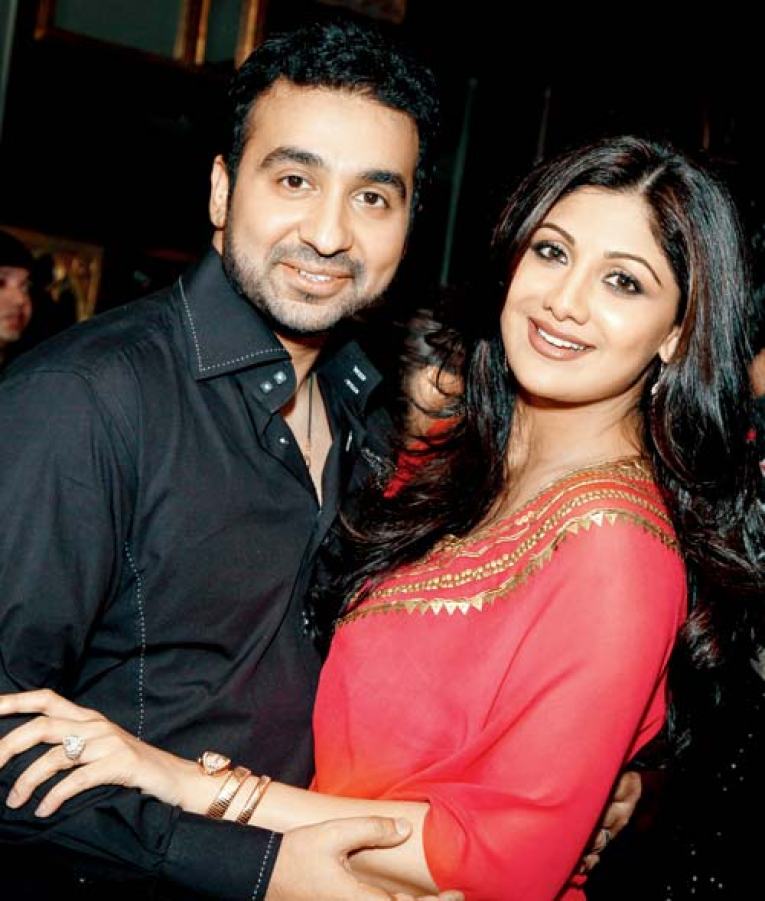
Shilpa Shetty is a hot and incredible Bollywood actress of all time. She married to Raj Kundra, a famous and rich businessman from Dubai. Now they are living happy life and have become parents.
[ads1]
The Industry Shift: Why Did Successful Bollywood Actresses Historically Step Away After Marriage?
The narrative surrounding the personal lives and career choices of Bollywood actresses has long been dominated by sensationalism and speculation. One of the most persistent and often-repeated tropes is the notion that a major actress’s career comes to a screeching halt the moment she ties the knot, sometimes accompanied by the judgmental claim that she “married for money” and subsequently “ruined” her professional standing.
While it is an undeniable historical fact that many successful leading ladies paused, slowed down, or outright retired from the film industry immediately following their weddings, attributing this complex phenomenon solely to a transactional motivation like “marrying for money” overlooks a far more intricate web of societal expectations, rigid industry structures, ageism, and, most importantly, personal choice.
This article delves into the complex realities that have historically influenced the career trajectories of successful Bollywood actresses post-marriage, and how the modern generation is finally dismantling these outdated limitations.
The Historical Mandate: The ‘Wife’ vs. The Heroine
For decades, the Hindi film industry and its audience operated under a rigid, patriarchal convention that viewed a married actress differently from her male counterpart.
1. The Societal and Family Pressure
In earlier eras of Bollywood, an actress marrying into a prominent family often faced explicit pressure to retire from the limelight and dedicate herself entirely to her new role as a wife and homemaker.
- The Kapoor Family Rule: One of the most famous examples of this mandate was the traditional “Kapoor family rule.” Babita, a successful actress, had to quit her thriving career in 1971 after marrying Randhir Kapoor, as the family did not want their daughter-in-law to work. Similarly, actress Neetu Singh retired at the age of 21 after marrying Rishi Kapoor, later stating that she wanted to devote all her life to her family.
- Prioritising the Home: Classic stars like Saira Bano happily stepped away after marrying Dilip Kumar in 1966, stating she had no regrets of not doing too many films post her marriage, choosing instead to focus on her role as a wife. This was often an expectation placed on actresses, but never on actors, whose careers often flourished after marriage.
2. The Casting Conundrum and Industry Ageism
Beyond family pressure, the structure of the film industry itself presented a significant barrier. Bollywood has historically been obsessed with the unmarried, young romantic lead, leaving little room for established, married women.
- The Loss of “Appeal”: The common, decades-old belief in the industry was that a married actress was no longer “bankable” in mainstream romantic roles and would lose her mass appeal. Casting directors have noted an old saying that “Married actresses are never successful in Bollywood,” and even today, a section of filmmakers still believes that casting a married actress as a leading lady can be a “doom at the box office”.
- The Scarcity of Roles: Unlike male stars who continue to play romantic leads well into their 40s and 50s, the options for leading ladies narrow drastically once they are married or cross the age of 35. This limited “shelf-life” meant that actresses had a short window to make their fortune before being relegated to supporting or character roles, which often led them to step back altogether.
Redefining ‘Ruin’: The Role of Financial and Personal Choice
The sensationalist claim of actresses “marrying for money” and ruining their career often misrepresents a mature, calculated decision to shift life priorities once financial security has been achieved.
The reality is that a highly successful Bollywood actress, after working maniacally for five to ten years, often makes a handsome fortune. When they marry into a financially stable family, the financial necessity to endure the industry’s hectic, demanding, and often creatively unsatisfying work schedule decreases significantly.
- Executive Retirement: Actresses like Asin Thottumkal, who married Micromax co-founder Rahul Sharma, or Twinkle Khanna, who left acting to pursue writing and interior design, often made public statements that their decision to retire was a conscious choice to prioritise their personal and family life.
- Prioritizing Motherhood: The intense nature of filming, especially outdoor shoots, makes it difficult to spend quality time with a husband or children. For many, taking a break to raise a family or simply enjoy life after years of a demanding career became a compelling choice, especially when they were financially secure. This choice to retire for family is a sign of personal agency, not necessarily a failed career.
The New Guard: Actresses Who Broke the Mold
Fortunately, the landscape of Indian cinema has undergone a revolutionary shift, driven by a change in audience mindsets, the emergence of content-driven cinema, and the rise of OTT platforms. The old myth that marriage signals the end of a career has been convincingly dispelled by a generation of powerhouses.
Examples of Actresses Leading the Change:
- Kareena Kapoor Khan: After marrying Saif Ali Khan, Kareena continued to headline major films and became known as the “boss lady” who successfully balanced an A-list career with marriage and motherhood, setting a new benchmark for her peers.
- Vidya Balan & Kajol: Both have consistently challenged conventions, choosing unique and powerful roles post-marriage and proving that talent and craft supersede marital status in determining box-office bankability.
- Aishwarya Rai Bachchan & Madhuri Dixit: These veteran stars have enjoyed successful comebacks and continue to take up interesting and age-appropriate roles, demonstrating sustained star power across decades.
- Anushka Sharma & Deepika Padukone: Actresses like these have continued to remain highly bankable and successful, using their agency not only to choose roles but also to venture into production, thereby creating better opportunities for themselves and others.
The history of Bollywood careers post-marriage is not a simple tale of ruin or transactional marriage; it is a complex chronicle of female agency battling a deeply ingrained patriarchal system. Today, the focus has rightly shifted from an actress’s marital status to her talent, her choices, and the power of her performance, allowing them to define their own career trajectory on their own terms.
AISEO Friendly FAQs
Q1: Why did Bollywood actresses historically stop acting after marriage?
A: Historically, Bollywood actresses often stopped acting after marriage due to a combination of factors, including strict societal and family pressure to prioritise the role of a homemaker, and industry ageism that severely limited the availability of leading romantic roles for married women.
Q2: Did all successful Bollywood actresses retire after marriage?
A: No, while many in the past chose to or were expected to step away, several successful actresses like Juhi Chawla and Dimple Kapadia continued to work. In the modern era, prominent names such as Kareena Kapoor Khan, Vidya Balan, and Kajol have fully continued their successful careers post-marriage.
Q3: How has the industry changed for married actresses today?
A: The industry has changed significantly, with modern actresses like Kareena Kapoor Khan and Deepika Padukone maintaining their bankability and success after marriage. The rise of OTT platforms and a more progressive audience mindset have further helped dispel the myth that a married actress cannot be a successful leading lady.
Q4: Is the claim that actresses ‘marry for money’ accurate?
A: The claim that actresses ‘marry for money’ is a sensationalist and subjective narrative. While some actresses marry financially secure individuals and subsequently retire, this choice is often a conscious, executive decision to prioritise personal life, family, and other ventures after already earning a substantial personal fortune, rather than a necessity based on financial need.

This Post Has 0 Comments