छोटे परदे पर ‘बालिका वधु’ में आनंदी के नाम से मशहूर हुईं प्रत्यूषा बनर्जी…
Do You Know Mithun Chakraborty Was A Member Of Naxalite Before Entering In Films, Read His Soul-Stirring Story To Fame!
Not only in dance, he also gained fame for his action:
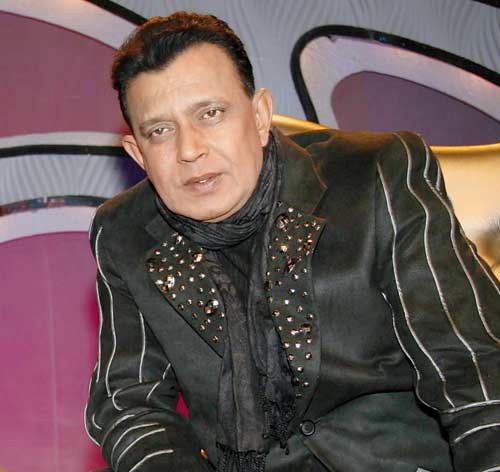
The actor is a trained in martial arts with black belt. He did not only shoot films with his dancing style but also showed the action too. He was producers first choice in low budget films. He did dozens of action and drama films. Along with Bollywood, he has acted in regional films. In addition, he has also judged TV reality shows ‘Dance Bengali Dance’ and ‘Dance India Dance’ (2009). He was the Grandmaster of the show.
[ads1]
The Phoenix Rises: Mithun Chakraborty’s Soul-Stirring Journey from Naxalite to Disco King of Bollywood
Very few life stories in Indian cinema possess the dramatic weight, sheer grit, and startling transformation of Mithun Chakraborty. Before he was the “Disco Dancer,” the three-time National Award-winning actor, or the “Grandmaster” of dance reality shows, he was Gouranga Chakraborty, a young man from a middle-class Bengali family who walked a path that led him to the radical fringes of a political movement. His journey, from a member of the armed Naxalite movement to a global superstar, is one of Bollywood’s most profound and inspiring untold sagas.
The Revolutionary Fire: A Brief History as a Naxalite
Born Gouranga Chakraborty in Calcutta (now Kolkata), Mithun grew up in a Bengal that was a hotbed of political and social unrest in the late 1960s and early 1970s. Like thousands of other impressionable Bengali youths of his era, he was deeply influenced by leftist, Marxist, and Maoist ideologies. The plight of the underprivileged moved him, leading him to become emotionally and ideologically invested in the cause of social justice, which was the driving force behind the extremist Naxalite movement.
His association with the radical group was not peripheral; reports suggest he was a “true blue” Naxalite. During this period, he reportedly had close connections with fiery Naxal leaders, including the popular figure Ravi Ranjan, known as ‘Bhaa.’ He was on a trajectory to dedicating his life to the revolutionary cause, a path that was both dangerous and irreversible for many involved.
The Traumatic Turning Point
The life of a revolutionary, however, is often defined by tragedy, and for Gouranga, a deeply personal loss became the catalyst for his escape. A devastating personal tragedy—the death of his brother, which is widely reported to have been in an accident or caught in the crossfire of political violence—shook him to his core.
This loss forced the young man to confront the harsh reality of an armed struggle, leading him to question his path and make the arduous decision to return to his family. This was not a simple matter of walking away. The Naxalite movement was a secret world, and his decision was viewed by some comrades as a betrayal, or that of a ‘deserter.’ The risk to his life was immense, and he was compelled to go underground for a short period, remaining a fugitive from justice as police launched a major crackdown on the movement in West Bengal.
“I had quit the movement after there was a tragedy in my family, but the label of being a Naxalite moved with me wherever I went, whether it was the FTII in Pune or when I came to Bombay in the late seventies.” – Mithun Chakraborty
The Reinvention: From Fugitive to Film Student
The escape from his past was literal, geographical, and ideological. To truly leave the ghosts of his radical past behind, Mithun made a drastic move: he enrolled in the Film and Television Institute of India (FTII) in Pune. This premier institute became his sanctuary, a place where he could “exorcise the demons” of his life as an underground political activist and focus entirely on the art of cinema and storytelling.
His training at FTII honed his natural talent and gave him the foundation to step into the tumultuous world of Bollywood. Yet, even in the film industry, his Naxalite background was an open secret. Before he even landed in Bombay (now Mumbai), the word had spread, making the journey to establish himself even harder.
The Struggle and the Silver Screen Debut
The beginning of his film career was far from easy. Unlike the star kids of the time, Mithun came from a middle-class background, with no industry connections. Compounding this was what he had to overcome: a subtle “colour prejudice” against him in the colour-conscious 1980s Bollywood, and a general reluctance from producers to cast him in lead roles due to his unconventional looks.
He toiled in the harsh Mumbai film industry for a decade before truly finding his feet and achieving major success.
- The Big Break (Mrigayaa, 1976): His debut was not a commercial potboiler, but an art-house drama directed by the legendary Mrinal Sen. In Mrigayaa (The Royal Hunt), Mithun played the complex role of a Santhal tribal rebel, and his raw, compelling performance earned him instant critical acclaim. For his very first film, he received the prestigious National Film Award for Best Actor, a remarkable feat for a newcomer.
- The Initial Grind: Despite the stellar debut, commercial success was elusive. He continued with supporting roles in major films like Do Anjaane (1976) and delivered a hit in the spy-thriller Surakksha (1979), where he played the desi Bond, Gunmaster G-9. These roles kept him in the running but did not cement his position as a superstar.
The Rise to Stardom: The Disco King Phenomenon
The true game-changer that catapulted Mithun from a National Award winner to a pan-India superstar arrived in 1982 with the film Disco Dancer.
- A Cultural Juggernaut: Directed by B. Subhash, the film featured Mithun as a street dancer who rises to international fame, blending action, emotion, and, most importantly, revolutionary dance moves.
- The Signature Style: His electrifying, energetic, and unique dancing style—a stark contrast to the sophisticated moves of his contemporaries—resonated deeply with the masses, earning him the enduring nickname ‘Disco King’ of Bollywood.
- Global Success: Disco Dancer was not just a domestic hit; it became an All-Time Blockbuster in international markets. The film grossed ₹100 crore worldwide, breaking the record previously held by Sholay, and became an inter-generational hit in countries like the Soviet Union (now Russia) and even Japan.
The overwhelming success of Disco Dancer instantly pushed the former radical activist into the A-list league. The man who once fought for the underprivileged through political extremism found a new, powerful voice to connect with the masses: the universal language of dance and entertainment.
From being a young fugitive on the run to a global dancing sensation, Mithun Chakraborty’s life is a monumental example of resilience. He leveraged his initial struggle to bring a raw, relatable energy to the screen, transforming his ‘unconventional’ background into the very essence of his enduring star power, proving that a phoenix can indeed rise from the ashes of a tumultuous past.
AISEO-Friendly FAQs
Q1: Was Mithun Chakraborty actually involved with the Naxalite movement?
A: Yes, multiple reports confirm that Mithun Chakraborty (born Gouranga Chakraborty) was briefly involved with the radical Naxalite movement in West Bengal during the late 1960s and early 1970s. His involvement was a result of being influenced by leftist ideology and a strong desire for social justice.
Q2: Why did Mithun Chakraborty leave the Naxalite movement?
A: Mithun Chakraborty left the Naxalite movement following a personal tragedy, reportedly the death of his brother in an accident or caught in the crossfire of political violence. This incident deeply affected him and led him to question the movement’s path, ultimately deciding to return to his family, a choice that forced him to go into hiding for a period.
Q3: How did Mithun Chakraborty enter the film industry?
A: After leaving his political past, Mithun Chakraborty pursued his interest in acting by enrolling and graduating from the Film and Television Institute of India (FTII) in Pune. He made his official debut in the critically acclaimed art-house film Mrigayaa (1976), directed by Mrinal Sen, which earned him his first National Film Award for Best Actor.
Q4: Which film made Mithun Chakraborty a superstar?
A: The film that cemented Mithun Chakraborty’s superstardom was the 1982 blockbuster Disco Dancer. His unique dance style and electric performance in the film propelled him to overnight fame, earned him the moniker ‘Disco King,’ and made the movie a massive international success, especially in the Soviet Union.
Q5: What challenges did Mithun Chakraborty face in his early film career?
A: In the initial phase of his career, Mithun Chakraborty faced significant challenges, including a lack of film industry connections and an uphill battle against “colour prejudice” due to his dusky complexion, which was unconventional for a leading hero in 1980s Bollywood. He struggled for about a decade before achieving true mainstream success.

This Post Has 0 Comments