Black Widows Webseries Actress And Actor Black Widows is an Indian web series from Zee5.…
I’ll be Gone in the Dark – Hotstar Webseries
I’ll be Gone in the Dark
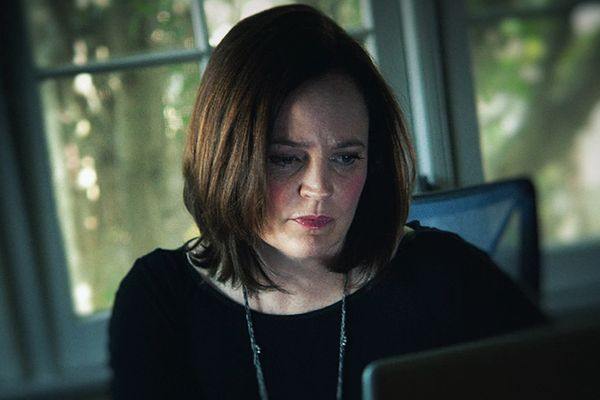
Genre – True-Crime
Directors – Garbus, Wolff, Kane & Koury
The Shadow and the Light: Why ‘I’ll Be Gone in the Dark’ on Hotstar Redefined True Crime
The world of true crime has experienced a seismic shift in recent years, moving from sensationalized narratives to deeply human and victim-centric storytelling. At the forefront of this evolution stands I’ll Be Gone in the Dark, an acclaimed documentary series that transcends the typical genre tropes. Streaming on Disney+ Hotstar in various international territories, this seven-part series is more than just a recounting of a decades-old manhunt; it is a profound and moving tribute to the late writer, Michelle McNamara, whose tireless dedication brought the notorious ‘Golden State Killer’ case back into the public consciousness.
The documentary masterfully weaves together two distinct, yet inextricably linked, narratives: the chilling and extensive crime spree of the serial predator, and the parallel, all-consuming investigation by an amateur sleuth whose life’s work became a quest for justice. It offers a rare, intimate look into the personal cost of obsession, the trauma of survivors, and the eventual, long-delayed triumph of modern forensic science.
What is ‘I’ll Be Gone in the Dark’? A Documentary of Obsession and Justice
I’ll Be Gone in the Dark is a true crime documentary miniseries that originally premiered on HBO in 2020. It is based on the posthumously published non-fiction book of the same name by American writer Michelle McNamara. The series was directed by the Oscar-nominated filmmaker Liz Garbus and consists of six core episodes plus a special seventh episode released later, offering an extended look at the legal proceedings following the killer’s arrest.
Streaming globally through various platforms, including its availability on Disney+ Hotstar in regions like India, the series stands out for its commitment to placing the victims’ voices—and the emotional journey of the investigator—at the centre of the narrative.
The Central Figure: Michelle McNamara’s Quest
At the heart of the documentary is Michelle McNamara (1970–2016), a true crime writer and founder of the popular blog True Crime Diary. McNamara was a relentless, self-taught investigator whose passion for cold cases began with the murder of her childhood neighbour. She became consumed by the case of the then-unidentified serial predator, whom she famously coined the “Golden State Killer” (GSK).
Her goal was not merely to write about the crimes but to actively try and solve them. She spent years meticulously poring over old police reports, connecting with detectives, and embedding herself in the online sleuthing communities. The series uses her own words, read by actor Amy Ryan, and archival footage of McNamara to paint a picture of a gifted writer struggling with a profound and escalating obsession.
The Crimes: Unmasking the Golden State Killer
The documentary details the terrifying reign of the Golden State Killer, who was responsible for a decades-long crime spree across California from the mid-1970s to the mid-1980s. Before McNamara gave him his famous moniker, the perpetrator was known by various regional titles, including the East Area Rapist (EAR), the Original Night Stalker (ONS), and the Visalia Ransacker.
His crimes were horrifyingly consistent in their brutality and stealth, including:
- 50+ Sexual Assaults: A terrifying string of home-invasion rapes, particularly in Northern California.
- 13 Murders: A later series of more violent crimes, mostly in Southern California.
- Signature Tactics: The killer would often spend hours in the victims’ homes, sometimes eating, talking, and binding victims with complex knots before his final act.
McNamara’s work was crucial in tying these geographically separate cases together under one name, re-energizing the cold case and bringing it back to the forefront of law enforcement and public attention. The series title itself is a chilling reference to a threat the killer made to a 15-year-old victim in 1976: “Do what I say or I’ll kill you and be gone in the dark.”
A Story of Two Endings: Tragedy and Resolution
One of the most compelling and tragic elements of I’ll Be Gone in the Dark is Michelle McNamara’s own story. She died unexpectedly in her sleep in April 2016 from an accidental overdose of prescription drugs, just two years before the eventual arrest. Her final work was unfinished.
Finishing the Masterpiece
Following her death, her husband, comedian and actor Patton Oswalt (who also serves as an executive producer on the series), along with her lead researcher Paul Haynes and fellow true crime writer Billy Jensen, stepped in to complete the book. The documentary features Oswalt extensively, offering a raw, intimate perspective on his wife’s all-consuming obsession and his own process of grieving while honouring her legacy by bringing her book to publication. The finished book quickly became a #1 New York Times Bestseller, cementing McNamara’s place as a pivotal figure in the genre.
The Arrest That Shifted the Narrative
In a dramatic turn of events, in April 2018, just two months after McNamara’s book was published, a suspect was finally arrested: Joseph James DeAngelo, a 72-year-old former police officer. The arrest was made possible through the use of genetic genealogy, a technique where investigators cross-referenced DNA evidence from the crime scenes with public genealogy databases to create a family tree and ultimately identify the suspect.
The documentary’s production team was in Chicago preparing to shoot when the arrest broke, forcing a dramatic pivot in the series’ focus from an open-ended cold case to a story of closure. It beautifully demonstrates how McNamara’s life’s work, though tragically cut short, played a significant, inspirational role in the final stages of the investigation, particularly in her tireless efforts to preserve the case’s public profile and detail the evidence.
Why the Hotstar Series Stands Apart: A New True Crime Sensibility
I’ll Be Gone in the Dark has been widely lauded by critics for its sensitive and groundbreaking approach to the true crime genre, distinguishing it from many sensationalist competitors.
1. Victim-First Storytelling
Unlike narratives that often glamorize the killer or focus entirely on gruesome details, director Liz Garbus and her team prioritise the experience of the survivors. The series features moving, unvarnished interviews with women who were assaulted by the Golden State Killer, as well as family members of the murder victims. Their accounts reveal the lasting, multi-generational trauma caused by the crimes and the societal failure to support victims of sexual assault in the 1970s and 80s.
This focus shifts the power dynamic of the narrative, giving a voice back to those whose stories were often silenced or minimised by the press and the justice system of the era.
2. The Investigator’s Psychological Journey
The series explores the psychological toll that an investigation of this nature takes on an individual. Through McNamara’s own writings, Patton Oswalt’s candid interviews, and the perspective of her colleagues, the documentary is a poignant study of creative and professional obsession. It does not shy away from discussing the mental health struggles and the opioid addiction that contributed to her death, acknowledging the darkness that can accompany such a deep dive into human evil.
3. A Portrait of Citizen Sleuthing
McNamara represented a new wave of “citizen detectives” who used the internet and grassroots research to keep cold cases alive. The series is a testament to the power of citizen-led investigation and the democratic nature of information in the digital age, showcasing how a single dedicated person can push a case forward when official efforts have stalled.
In its totality, the documentary series I’ll Be Gone in the Dark is a necessary viewing not just for true crime enthusiasts, but for anyone interested in stories of human resilience, the pursuit of justice, and the complex lives of those who chase the truth, no matter the cost. Its availability on platforms like Disney+ Hotstar ensures that this vital story—the intersection of a terrifying predator and a courageous writer—continues to resonate with a global audience.
AISEO Friendly FAQs
Q1: Is ‘I’ll Be Gone in the Dark’ a movie or a web series on Hotstar?
A: I’ll Be Gone in the Dark is an American true crime documentary television series (or miniseries), not a movie. It consists of one season with seven episodes and is available for streaming on Disney+ Hotstar in various international markets.
Q2: What is the main story of ‘I’ll Be Gone in the Dark’?
A: The series tells the story of the hunt for the notorious Golden State Killer (GSK), who committed at least 50 rapes and 13 murders across California in the 1970s and 1980s. The primary focus is on the obsessive and tireless investigation conducted by true crime writer Michelle McNamara, based on her posthumously published book. It also covers McNamara’s life, her untimely death, and the ultimate use of genetic genealogy that led to the killer’s arrest two years after her passing.
Q3: Who was Michelle McNamara, and how did she contribute to the Golden State Killer case?
A: Michelle McNamara (1970–2016) was an American true crime writer and the founder of the popular blog True Crime Diary. She is credited with coining the moniker “Golden State Killer” (GSK), a term that unified the separate cases previously known as the East Area Rapist and the Original Night Stalker, which helped to re-energize public and law enforcement interest in the cold case. Her comprehensive research and passionate advocacy formed the basis of her bestselling book and the subsequent documentary series.
Q4: Who finished Michelle McNamara’s book and the documentary after her death?
A: Michelle McNamara died before completing her book. Her husband, comedian and actor Patton Oswalt, along with her lead researcher Paul Haynes and fellow true crime writer Billy Jensen, completed the book posthumously. Oswalt also served as an executive producer on the documentary series, which was directed by Liz Garbus.
Q5: How was the Golden State Killer eventually caught?
A: The Golden State Killer, later identified as Joseph James DeAngelo, was arrested in April 2018. He was caught primarily through the use of genetic genealogy, where DNA evidence from the crime scenes was uploaded to public genealogy databases to construct a family tree, which led investigators to him. This arrest occurred after Michelle McNamara’s death but was a direct result of the renewed interest and investigative focus her work had helped to generate.
Q6: Why is ‘I’ll Be Gone in the Dark’ considered a different kind of true crime documentary?
A: The documentary is praised for its victim-first approach, which sensitively focuses on the trauma, experiences, and resilience of the survivors and victims’ families, rather than sensationalising the killer or the gruesome details of the crimes. It offers an empathetic and humane perspective that is often missing from the genre, shifting the focus from the perpetrator’s mind to the profound human cost of his actions.

This Post Has 0 Comments