The girl-next-door, Amrita Rao, made her Bollywood debut in 2002 with the movie Ab ke…
5 Actors Who Started Body-Building Trend in The Bollywood, Number 1 is Dead Now!
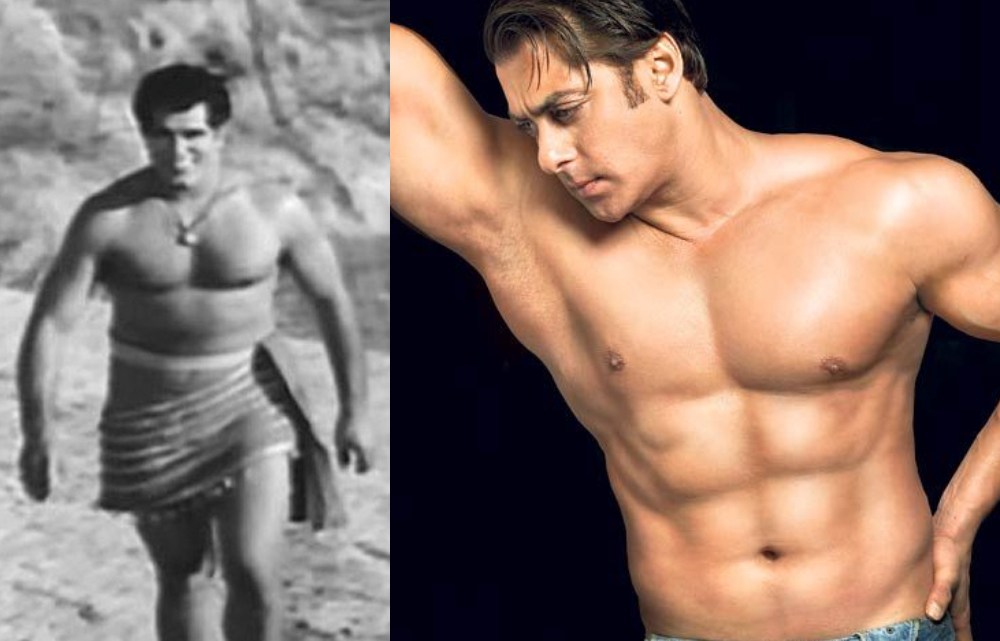
Today fitness trend in the Bollywood is in its full swing! actors pay high to gym trainers or fitness experts to keep themselves fit, slim and trim. The 6 to 8 pack abs are trending in the film industry. Ever wondered who started this trend? Today we will tell you about the 5 actors who brought the body-building trend in the Bollywood.
Dara Singh
He was the king of wrestling. He won the 1968, world wrestling championship. Dara Singh was an actor as well as a wrestler. He considered being the first Indian actor to start the trend of body-building in Bollywood. 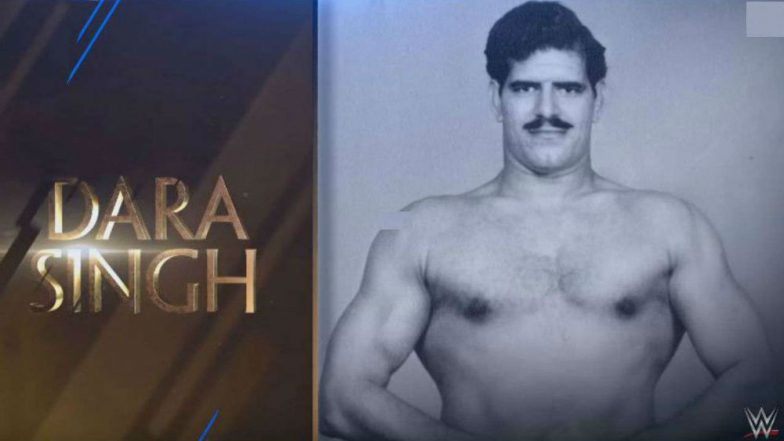
Sanjay Dutt
Born on July 29, 1959, Sanjay Dutt debuted in the Bollywood in 1981 film Rocky. He is known as Sanju Baba in the Bollywood. After Dara Singh, it was Sanjay who introduced the trend of body-building among actors. 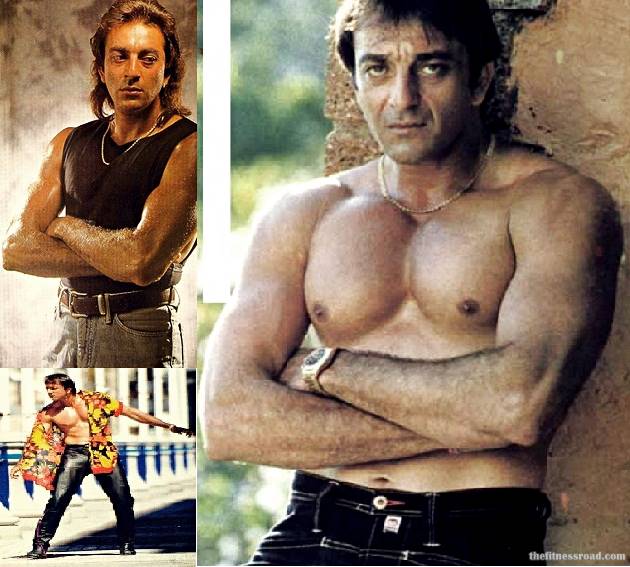
Sunny Deol
The muscular man who was mainly seen doing power-packed roles in the 90s films comes at number 3. He was a muscular man and had a number of fans back in his time. 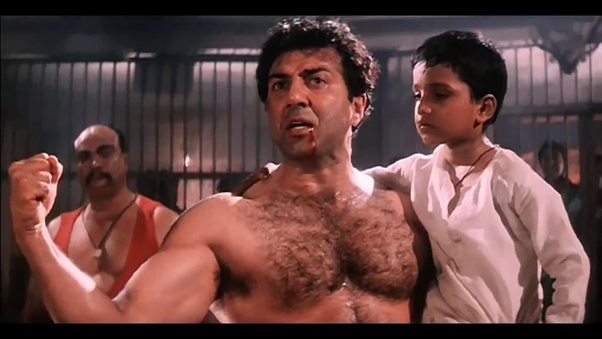
Salman Khan
One of the superstars of the Bollywood then and now, the Sultan of Bollywood was the one who flaunted his bare muscular body. In almost all his films he goes shirtless. He is an inspiration for many young actors of now. 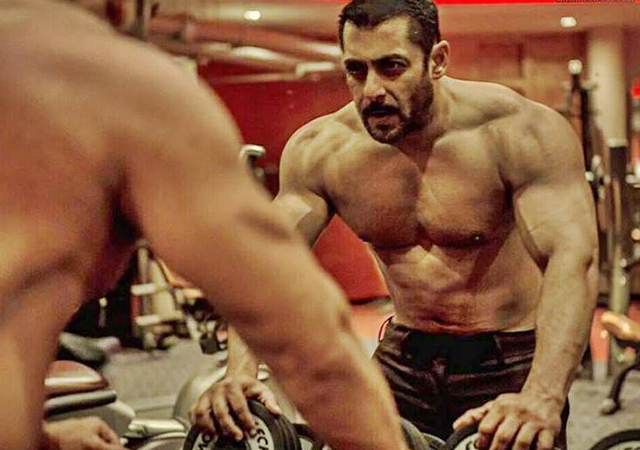
John Abraham
The handsome hunk of the Bollywood, John has a fit and muscular body. he comes at number 5 in the list of actors who started bodybuilding trend. 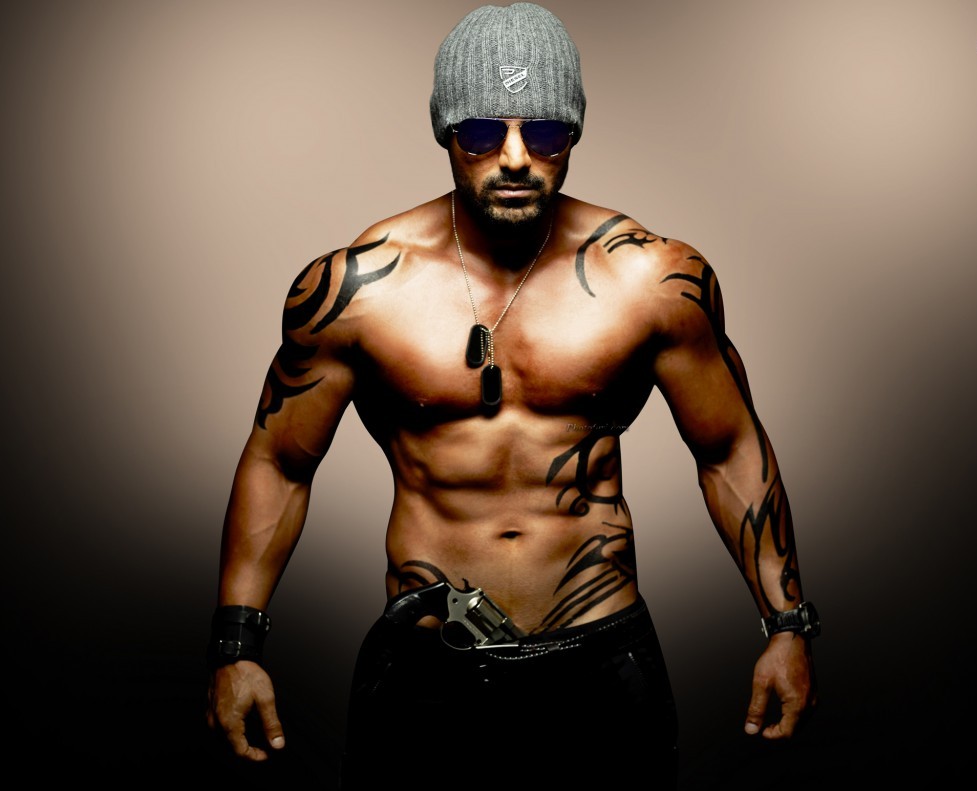
Also Read:
10 Shooting Locations Of Bollywood Movies, You Should Visit Before You Get Too Old To Walk!
Also read: Meet The Bollywood Stars Who Don’t Believe In The Concept Of Marriage
The Original Muscle Men: 5 Actors Who Started the Body-Building Trend in Bollywood, and Why Number 1 is an Immortal Legend
For decades, the standard Bollywood hero was defined by his dancing skills, expressive eyes, and ability to deliver emotionally charged monologues. The physique was secondary, often soft, or merely ‘healthy’. Then came a handful of actors whose dedication to physical transformation changed the very definition of the ‘leading man’ in Indian cinema, sparking a fitness revolution that continues to this day.
This is the story of the five crusaders who chiseled the cinematic landscape of India, one flex at a time, leading to the muscular, shredded stars we see today. We begin, however, with the undisputed heavyweight, a man whose strength was his identity, even in his final years.
Number 1: Dara Singh – The Hercules of India (Died July 12, 2012)
The sensational hook of the modern era is that the original pioneer who started the trend is no longer with us. The title of Bollywood’s first genuine muscle man belongs solely to the late Dara Singh. Long before gyms were commonplace or protein shakes were a staple, his physique was a marvel of natural strength and traditional pehlwani (Indian wrestling) discipline.
The Foundation of Indian Cinematic Strength (1950s – 1980s)
Dara Singh’s entry into cinema wasn’t as an actor who got fit; it was as a legendary sportsman who happened to act.
- World Champion Pedigree: Dara Singh was a celebrated professional wrestler, winning the Commonwealth Championship in 1959 and the prestigious World Championship in 1968, a title he earned by defeating Lou Thesz. His professional career boasts over 500 undefeated fights, making him a symbol of invincible strength in the nation’s psyche.
- The Original Action Hero: When he transitioned fully to films in the 1950s and 60s, he single-handedly created the action-fantasy genre in India, starring in films like King Kong (1963) and Faulad (1963). His imposing 6-foot-2-inch frame and broad shoulders were the special effects of the era, and he always insisted on performing his own stunts.
- A Cultural Icon: His role as Hanuman in Ramanand Sagar’s iconic television series Ramayan (1987–1988) cemented his legacy. For millions of Indians, he was the face of the Hindu monkey god—a definitive image of strength, devotion, and a magnificent, bare-chested form that showcased his natural power.
The Immortal Memory
Dara Singh passed away on July 12, 2012, at his Mumbai home, aged 84, following a massive heart attack and stroke. He had suffered severe brain damage and was discharged from the hospital so he could spend his final moments with his family. His legacy is unique: he did not follow a ‘bodybuilding trend’; he was the trend, setting an unattainable bar of natural, rustic Indian strength that actors of later generations would be inspired by to hit the modern gym.
2. Sanjay Dutt: The Pioneer of the Gym-Chiseled Look (1990s)
If Dara Singh represented the rustic strength of akhada (traditional wrestling pit) training, Sanjay Dutt ushered in the era of the modern gym. His appearance in films in the early 1990s was a revelation, featuring a ripped, muscular body that was different from the naturally fit heroes of the previous decades.
The Birth of the Contemporary Physique
Sanjay Dutt, often affectionately called ‘Sanju Baba,’ began his journey in 1981 with Rocky but his sculpted form in early-90s films like Yalgaar (1992) and Khalnayak (1993) cemented his status as a body trendsetter, motivating his peers to seriously hit the weights.
- The Gym Culture Catalyst: Dutt was one of the first mainstream Bollywood stars to consistently display a shredded physique, making the gym a necessary stop for a male lead, rather than a niche hobby. He and Salman Khan are often credited with starting the physical fitness wave in the industry.
- Inspiration Through Discipline: His dedication to fitness became legendary, particularly an anecdote from his time in jail where, in the absence of proper equipment, he maintained his physique by working out with water-filled trash cans and spades as makeshift dumbbells and weights to achieve his six-pack abs.
- Workout and Diet Philosophy: Even today, Dutt maintains a stringent, two-sessions-a-day regimen focusing on cardio, strength training (compound movements like squats and deadlifts), and functional training. His diet is high-protein, features small, regular meals to keep his metabolism up, and strictly avoids salt, fat, and sugar.
3. Sunny Deol: The Original Rambo-esque Bulk (1990s)
A contemporary of Sanjay Dutt, Sunny Deol represented a different, more lumpenized form of muscle mass. Where Dutt was ripped, Deol was bulky, his strength a raw, powerful presence that perfectly suited his action roles. He was the quintessential ‘He-Man’ of the 90s, with his popular dialogue ‘Dhai Kilo Ka Haath’ (Two-and-a-half-kilogram hand) becoming a shorthand for his immense, intimidating strength.
The Natural and Traditional Approach
Deol’s physique, especially in his early days, was an aspirational model of simple, robust Indian fitness.
- Old-School Dedication: His commitment to a bulked-up physique was intense, so much so that his friend Vindu Dara Singh (Dara Singh’s son) once revealed that to maintain the muscle he had built in London before his debut film Betaab, Deol actually imported a roomful of milk cartons because he felt the milk quality abroad was better for bulking.
- The Sportsman’s Training: Deol’s philosophy has always been centered on functional fitness and the joy of sports, rather than just aesthetics. He is an early riser who practices yoga, pranayama (breathing exercises), swimming, and plays outdoor games like squash and table tennis daily, preferring natural movement over a heavy reliance on gym machinery.
- Simple Diet for Big Strength: His diet aligns with a traditional, disciplined lifestyle, consisting primarily of simple, home-cooked Indian meals like dal, roti, sabzi (lentils, flatbread, vegetables), and salads, with a strict avoidance of junk food and sugar. This back-to-roots philosophy was a significant counter-narrative to the emerging trend of complex gym diets.
4. Salman Khan: The Crusader of Modern Gym Culture (Late 1990s – 2000s)
It is virtually impossible to talk about the Bollywood bodybuilding trend without mentioning Salman Khan. His career became synonymous with taking his shirt off—a defining image that, for an entire generation, crystallized the idea of the perfectly sculpted celebrity body.
The Phenomenon of the ‘Shirtless Hero’
Salman Khan is widely regarded as a ‘crusader’ who was instrumental in starting the organized, modern gym culture across India, even being credited by his brother Arbaaz Khan for “revolutionizing” the fitness landscape.
- The Veergati Watershed: While he had a lean phase earlier, the 1995 film Veergati marked a significant shift. Co-star Akhilendra Mishra recounted that Salman’s dedication was “remarkable,” as he would work out all night with weights to perfect his bare-body shots for the climax, a testimony to his dedication.
- Six-Pack Mania: Salman was one of the first actors to display defined abdominal muscles on screen, kick-starting the pervasive six-pack abs trend that became a prerequisite for every aspiring male star thereafter.
- Personal Philosophy: His regimen is a blend of traditional and innovative practices, focusing on immense dedication. His workouts are famously intense, sometimes even without air conditioning to maximise calorie burn. He champions a clean diet of home-cooked food, lean proteins, vegetables, and salads, and is known for a lifestyle that strictly avoids processed foods and alcohol.
5. John Abraham: The Poster Boy of Ripped Aesthetics (2000s)
The baton of bodybuilding perfection was officially passed to John Abraham in the 2000s. His modeling background, combined with a chiseled, bulked-up, yet aesthetically defined physique in films like Jism (2003) and, most notably, Dhoom (2004), made him the definitive fitness icon for the new millennium.
The Perfect Blend of Size and Shred
John Abraham’s entry changed the goalpost from ‘muscle’ to ‘definition,’ bringing in the concept of the perfect eight-pack and beefy biceps that became a national benchmark.
- The Modern Regimen: His routine is the epitome of modern functional training and bodybuilding, consisting of a six-day-a-week regimen. His workouts blend heavy compound lifts (squats, deadlifts) with functional movements like flipping tires and lifting sandbags, ensuring not just size but also real-world strength and agility.
- The Discipline of the Diet: Abraham’s diet is a masterclass in clean eating, which he credits as 60% of his transformation. He adheres to a strict 5 to 8 small, frequent meal schedule daily, focusing on an equal proportion of high protein (chicken, fish, eggs) and complex carbohydrates (brown rice, quinoa, sweet potatoes), along with healthy fats (nuts, avocados).
- Lifestyle over Stardom: Perhaps his greatest inspiration is his fiercely clean lifestyle: he famously hasn’t consumed aerated drinks for decades and maintains a strict alcohol, sugar, and nicotine-free existence, proving that an enviable physique is built on unwavering discipline.
The Lasting Impact of the Muscle Revolution
These five actors, spanning from the post-Independence era to the digital age, collectively dismantled the soft-hero image of Bollywood. Dara Singh laid the foundation of raw, traditional strength. Sanjay Dutt introduced the modern gym and weight training. Sunny Deol solidified the rustic, bulked-up action hero. Salman Khan popularized the shirtless, six-pack abs phenomenon that took fitness mainstream. Finally, John Abraham refined the trend, making the perfectly sculpted, low-body-fat physique the ultimate aesthetic standard.
Today, a rigorous fitness routine and a shredded body are mandatory for almost every debutant, a testament to the legacy of the original muscle men who dared to be different. The trend they started is no longer a trend—it’s the industry standard.
AISEO-Friendly FAQs
Q1: Who is considered the first Bollywood actor to start the body-building trend?
A: The first Bollywood actor widely considered to have started the body-building trend is Dara Singh. As a World Champion professional wrestler, he brought a genuine, massive, naturally-built physique to Indian cinema in the 1950s and 60s, a look that was unprecedented for a leading man.
Q2: Which Bollywood actor first popularized the concept of ‘six-pack abs’ on screen?
A: While there are debates on who had the first defined abs, Salman Khan is largely credited with pioneering and popularizing the trend of the ‘six-pack abs’ for a commercial leading man on the big screen, starting from films like Veergati (1995) and his consistent bare-chested appearances thereafter.
Q3: What was Dara Singh’s cause of death?
A: Dara Singh passed away on July 12, 2012, at the age of 84. The cause of his death was a severe cardiac arrest and stroke, which led to brain damage. He was moved from the hospital to his home for his final moments to be with his family.
Q4: Which actor used unorthodox methods like water buckets to build his body?
A: Sanjay Dutt is famous for his unconventional workout methods. During his incarceration, when he did not have access to gym equipment, he reportedly maintained his physique and even developed a six-pack by working out with makeshift equipment like water buckets, mud pots, and spades for resistance training.
Q5: Who are the key figures that represent the different eras of Bollywood bodybuilding?
A: The key figures representing the evolution of Bollywood bodybuilding are:
- Dara Singh (1950s-70s): Raw, traditional Pehlwan (wrestler’s) strength.
- Sanjay Dutt (Early 1990s): Pioneer of the modern gym-ripped, bulky physique.
- Salman Khan (Late 1990s-2000s): The crusader who mainstreamed gym culture and popularized the shirtless look and six-pack abs.
- John Abraham (2000s onwards): The modern aesthetic icon, famous for the perfect, low-body-fat, eight-pack definition.
- Sunny Deol (1990s): The symbol of rustic, functional, and natural strength.

This Post Has 0 Comments